Counter-Tracking and Anti-Tracking in the Backcountry: Breaking Sign, Route Choice, Terrain Masking, and False Trails (Safely and Legally)
What Tracking Really Looks Like on the Ground (and Why It Matters)
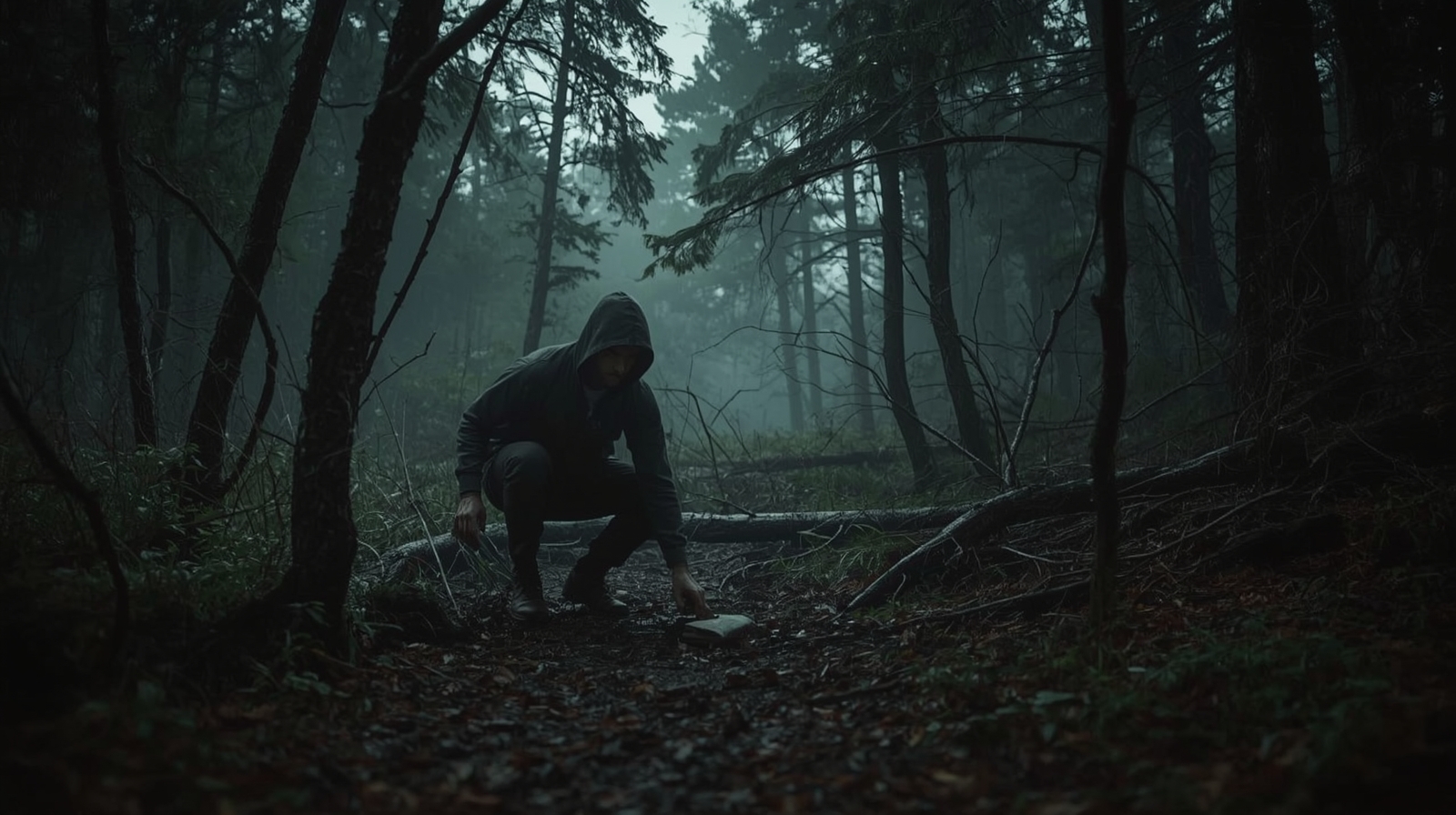
Tracking in the backcountry is rarely one perfect boot print in soft mud. Most of the time, it’s a chain of small indicators that add up: scuffed duff, a bent blade of grass, an unnatural line through brush, or the rhythm of disturbed stones. If you want to manage your sign, you need to think like the person trying to read it.
That comes with an important caveat. Techniques intended to evade law enforcement or enable wrongdoing are not something you should practice or apply. The most useful version of anti-tracking for hikers and hunters is lawful, safety-conscious, and low-impact.
Your goal is simple:
- Reduce the obvious trail you leave behind
- Avoid damaging the land
- Avoid broadcasting your camp to every curious passerby
With that baseline set, you can start building real awareness instead of relying on myths.
What trackers actually follow: ground sign, vegetation sign, and pattern
A competent tracker doesn’t stare at the ground nonstop. They scan for disruption and pattern: what changed, where it changed, and what direction that change points.
Common ground sign includes:
- Crushed soil and compressed duff
- Displaced gravel or “kicked-out” fans of rock
- Heel digs on climbs and braking marks on descents
- Skid marks in loose scree
Vegetation sign is often easier to see than footprints. A snapped twig with bright inner wood, brushed-off dew on knee-high plants, or a “tunnel” through tall grass is basically an arrow that says, “Human-sized object moved here.”
The other big piece is pattern. Humans tend to follow the path of least resistance, so your route choice can be a bigger clue than your boot tread.
Legal and ethical boundaries: privacy vs. deception vs. rescue reality
When you move in the backcountry, you’re operating inside a real system with other users, land managers, and emergency responders. Some “counter-tracking” ideas cross legal lines fast, especially if they involve deception, trespass, or interfering with an investigation. Even when something is technically legal, it can still be irresponsible.
There’s also a safety tradeoff most people ignore. If you get hurt or overdue, your tracks can become evidence that helps rescuers narrow down where you went.
That’s one reason Leave No Trace guidance emphasizes thoughtful movement and campsite selection rather than gamesmanship. If you want an ethics baseline, review the National Park Service overview of the Leave No Trace Seven Principles and the U.S. Forest Service’s Leave No Trace guidance.
From here on out, think control and low impact, not “vanishing.” Next, you’ll build the skill that makes everything else work: reading your own sign.
Build Track Awareness First: Learn to Read Your Own Sign
Before you can reduce sign, you need a realistic sense of what you’re leaving behind. In military land navigation training, we did quick after-movement checks for a reason: confidence lies to you. You think you moved clean, then you turn around and see a dragged heel line cutting through moss like a chalk mark.
A simple awareness routine makes you sharper without turning your hike into paranoia. You’re not trying to erase existence. You’re learning which actions create obvious indicators so you can make better choices.
Once you can spot your own mistakes, you’ll start fixing them automatically.
The 60-second sign check drill (easy, repeatable, honest)
Every 15-20 minutes, stop and do a one-minute assessment. Keep it consistent so you can compare one segment to the next.
- Stand and look back along your last 20-30 yards.
- Look for a visible “lane” through vegetation.
- Note unnatural straight lines.
- Watch for patches where the ground color changes.
- Crouch and scan at ground level.
- Do you see fresh mineral soil exposed?
- Are rocks flipped to a brighter side?
- Did you kick out a small fan of gravel that points exactly where you went?
- Check your body and pack.
- If your knees or pack are wet from brushing plants, you’re creating a visible corridor even when footprints are light.
Do this drill a few times per hike, and your route choices get smarter without extra effort.
Conditions that amplify tracks: moisture, slope angle, and load
Soft ground holds detail. That’s obvious.
The bigger trap is almost soft ground: damp duff, thin mud over hardpack, or thawing soil. These surfaces capture scuffs and pressure changes while still looking “firm” underfoot.
Slope angle matters because your gait changes:
- Uphill: you dig with toes and load the ball of your foot.
- Downhill: you brake with heels and slide if you’re careless.
Add a heavy pack and your pressure increases, which means more compression and more displaced material. If you ruck with trekking poles, note where the tips bite. A consistent pole cadence can create a second track line that’s easier to follow than your boots, especially in sparse grass or light snow.
Now that you know how to see sign, you can start reducing it with cleaner movement.
Breaking Sign the Lawful Way: Move Cleaner Without Playing Games
“Breaking sign” is often framed as deception, but the practical, legal version is simpler. Move in a way that leaves less disturbance and less damage.
When you do this right, you get three benefits at once:
- You protect the terrain.
- You reduce how obvious your movement is to casual observers.
- You build better footwork that also prevents slips and falls.
The core idea is to replace sloppy movement with deliberate movement. That’s field discipline, not fantasy.
Foot placement, stride discipline, and controlling the skid
Your feet broadcast information when you scuff, drag, or pivot hard. Start by shortening your stride slightly in loose terrain. A long stride encourages heel drag and toe skid, which leaves clear lines.
On climbs, place your foot flatter when possible and avoid “clawing” uphill with toes. That clawing motion chews up soil and leaves obvious toe digs.
On descents, don’t let your heel slam and slide. Step down with a controlled knee bend and keep your center of mass over your feet.
If you have to cross soft ground, don’t dance around searching for the perfect step. Hesitation creates multiple partial prints and churned soil. Pick the firmest line you can find and commit to a steady cadence.
Pack, poles, and clothing: the stuff that leaves sign when you forget it
Boot prints aren’t your only problem. Packs snag brush and break branches at shoulder height, which becomes a visual marker you can spot from a distance.
Run a quick “snag check” before you move into brush:
- Tighten loose straps.
- Secure dangling items (water bottles, cup kits, cordage tails).
- Keep your load compact so it doesn’t sweep vegetation.
Trekking poles are useful, but they punch a consistent dot pattern that can read like breadcrumbs. In fragile ground, consider stowing poles briefly and using careful steps instead.
Clothing can leave sign too. Gaiters, pant cuffs, and rain shells brush off dew and frost, leaving a dry stripe through wet vegetation. If you want lower visibility, choose micro-routes that keep you on firmer ground or on the edges of brush rather than plowing through the middle.
With cleaner movement handled, you can make the biggest leap by choosing terrain that doesn’t record you in the first place.
Route Choice That Doesn’t Advertise You: Pick Surfaces That Don’t Hold Sign
If you take only one concept from this article, take this: route choice matters more than technique. You can walk perfectly and still leave an obvious trail if you move through soft, sign-holding terrain.
You can also be imperfect and leave very little if you stay on durable surfaces. This is the same principle behind low-impact travel.
It’s also why experienced trackers look at terrain first and prints second. Terrain tells them where you likely went, and then they confirm it with sign.
Durable surfaces vs. sign-holding surfaces (a practical comparison)
Here’s a quick way to think about common surfaces. Your goal for low-impact, low-sign travel is durable ground that doesn’t record detail.
| Surface type | Track persistence | Typical sign left | Practical note |
|---|---|---|---|
| Bare rock / slabs | Very low | Minimal scuffs | Watch for lichen and wet algae (slip risk) |
| Coarse gravel bars | Low to medium | Displaced stones | Avoid flipping rocks (bright undersides) |
| Dry pine needles / duff | Medium | Compression trails | Easy to create straight “lanes” |
| Wet soil / mud | High | Full prints + skid | Avoid unless you need it for navigation |
| Tall grass / brush | Medium to high | Bent stalks, dew stripe | Often visible from far away |
| Snow (fresh) | Very high | Crisp prints + pole marks | Wind and sun can preserve or erase fast |