+1 443-424-5080 support@militarytrained.com

Avalanche Terrain for Hikers and Snowshoers: Identifying Hazard Slopes, Safer Route Choices, and Survival Actions If Caught

Avalanche terrain basics that hikers and snowshoers routinely miss Avalanche terrain is not a “mountaineers only” problem. If you hike or snowshoe in winter, you’re in the same physics as everyone else: snow on a slope, plus a trigger, plus a weak layer, equals motion. The reason hikers get hurt

Read More

Traveling Safely on Loose Terrain: Scree, Talus, and Rockfall Movement Techniques, Spacing Rules, and Injury Avoidance

Scree, Talus, and Rockfall: What You’re Actually Walking On Loose terrain is one of those hazards that feels “optional” until it isn’t. One minute you’re on a normal trail, and the next you’re on ball-bearing gravel, a ridge of shifting blocks, or a gully that funnels rockfall like a bowling

Read More

Improvised Splints That Actually Hold: Trekking Pole Splints, Pack Frames, Rigging Principles, and Circulation Checks

Splints that hold start with the mission: stabilize, don’t decorate When someone’s hurt, it’s easy to get busy doing something that looks medical without actually improving the situation. In the field, a splint has one job: prevent the injured area from moving in ways that worsen damage and pain. If

Read More

Cold-Weather Sleep Systems Without a Subzero Bag: Layering Strategy, Vapor Barriers, Ground Insulation, and Condensation Control

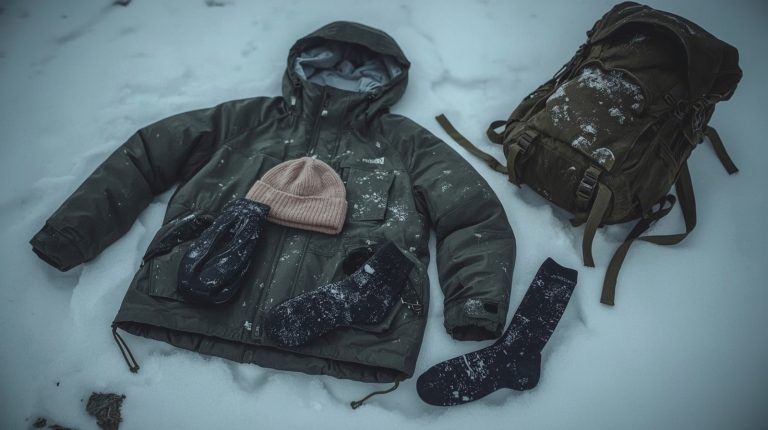
Temperature Reality Check: Why “Warm Enough” Sleep Systems Fail in the 20s Cold-weather sleep systems fail for predictable reasons. It’s rarely because you didn’t buy an expensive enough bag. Most failures come from heat loss to the ground, moisture building up in insulation, and small setup mistakes that compound at

Read More

Backcountry Wound Care When Rescue Is Delayed: Cleaning Methods, Dressings, Infection Prevention, and When NOT to Close a Cut

Priorities when a cut happens far from help: control bleeding, prevent shock, protect the patient A backcountry cut is rarely just a “skin problem.” If rescue is delayed, your priorities look a lot like disciplined field medicine: stop life-threatening bleeding, keep the person warm and calm, then move into cleaning

Read More

Hypothermia in the Field: Early Recognition, Afterdrop Risks, Rewarming Priorities, and Improvised Warming Techniques

Hypothermia is a performance failure, not a temperature number What hypothermia really is in the field Hypothermia starts when your core temperature drops low enough that your body can’t keep up with heat loss. In the real world you often won’t have a thermometer. Even if you did, you don’t

Read More

All-Weather Firecraft: Processing Wet Wood, Reliable Fire Lays in Rain/Snow, and Keeping Coals Alive Overnight

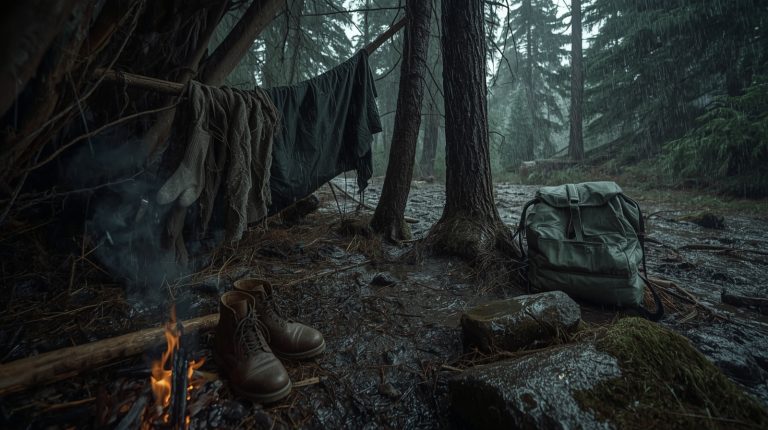
Why All-Weather Fires Fail: Moisture, Heat Loss, and Timing Rain and snow don’t “put out” your fire as much as they steal your heat budget. Every wet stick you add forces the fire to spend energy boiling water before it can climb in temperature. That’s why you can have visible

Read More

Backcountry Food Safety Without Refrigeration: Clean Water Workflow, Cross-Contamination Control, and Safe Leftovers

Food Safety Discipline When There’s No Fridge and No Backup Backcountry food safety is mostly about systems, not heroics. In the military, you learn quickly that small lapses compound. One dirty canteen mouth or one knife used for raw meat and then for tortillas can turn a good trip into

Read More

Rope Systems and Mechanical Advantage in the Field: Anchors, Z-Drag Hauls, and Raising/Lowering Loads Safely

Mechanical Advantage Starts With a Real Problem: Moving Loads Without Breaking People or Gear Why mechanical advantage matters more than muscle If you’ve ever tried to drag a stuck vehicle, haul a heavy pack up a bank, or raise a litter over a ledge, you already know the problem: the

Read More

Low-Tech Early Warning Perimeters for Camps: Trip Lines, Noise Makers, and Sector Assignments (Without Electronics)

Why Low-Tech Early Warning Perimeters Still Matter A camp perimeter is less about “defending” and more about buying time. In the field, time is what lets you wake up, get oriented, and make smart decisions instead of panicked ones. Low-tech systems do that quietly and reliably, without batteries, signal, or

Read More