Altitude Sickness for Hikers: Acclimatization Plans, Red-Flag Symptoms, and Field Treatment When Descent Isn’t Immediate
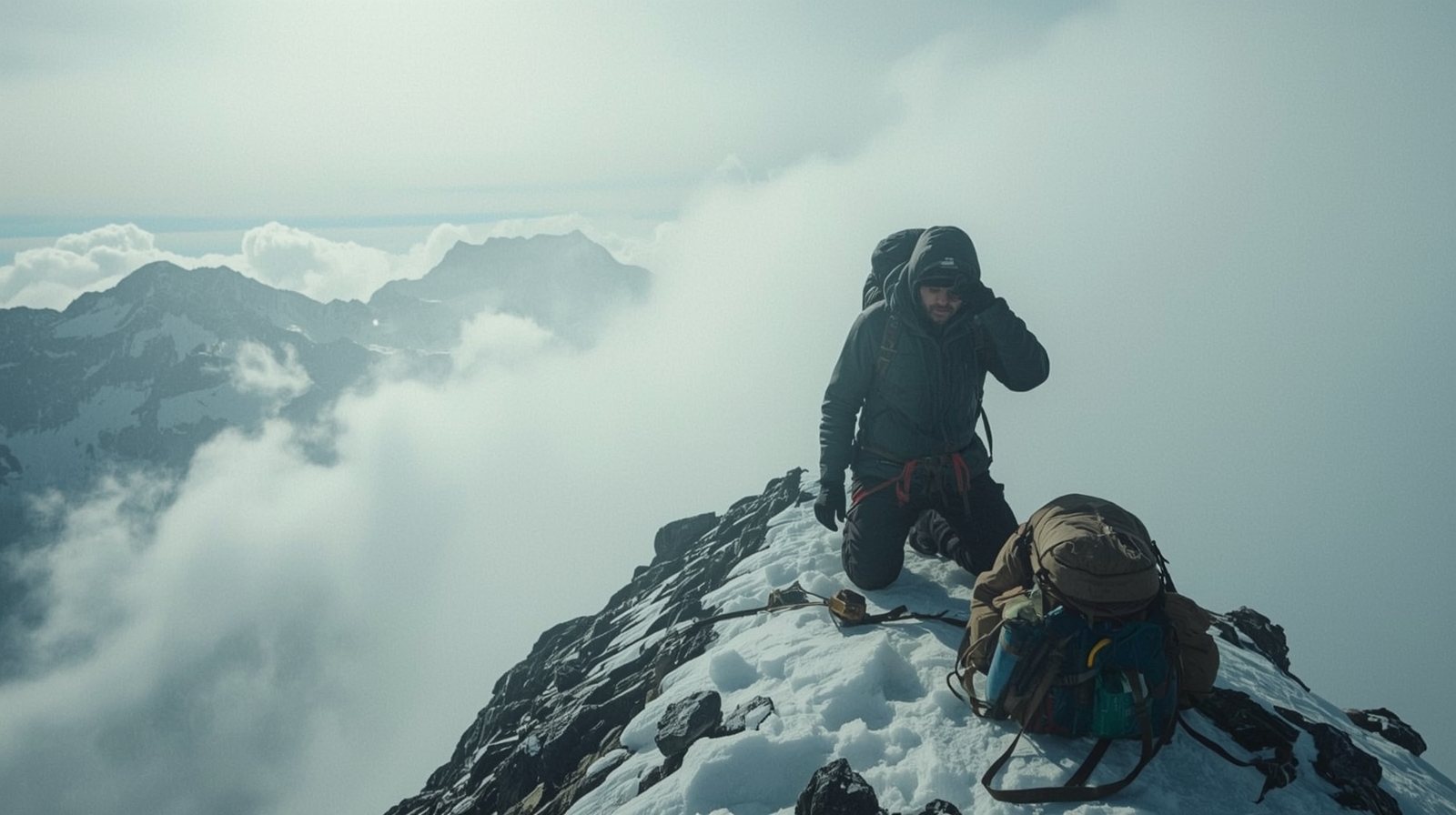
Altitude sickness is a planning problem, not bad luck
Altitude illness usually shows up like a minor nuisance: a dull headache, a little nausea, a hiker who’s suddenly quiet. In the mountains, small problems don’t stay small if you keep climbing. From a military perspective, this is a preventable casualty category most of the time: predictable risk, known controls, and clear decision points.
Related Articles:
The core issue is simple. Your body needs time to adapt to lower oxygen pressure, and the mountains don’t care about your schedule. If you build an itinerary that outpaces acclimatization, you’re gambling that nobody in your group is a “fast reactor.” That’s not leadership; that’s luck.
What changes in your body above 8,000 feet
As you gain altitude, the air still contains about 21% oxygen, but the pressure drops. That means every breath delivers fewer oxygen molecules into your bloodstream. Your body responds by breathing faster and increasing heart rate.
Over the next days, you start producing more red blood cells and adjusting acid-base balance to tolerate faster breathing. This is why time at altitude matters more than “being in shape.” Adaptation is biological, not motivational.
Acute Mountain Sickness (AMS) is the early, common form: headache plus symptoms like nausea, fatigue, dizziness, or poor sleep. High Altitude Cerebral Edema (HACE) is severe brain swelling and is life-threatening. High Altitude Pulmonary Edema (HAPE) is fluid buildup in the lungs and is also life-threatening.
If you want authoritative baseline guidance, the CDC’s traveler page is a solid reference: CDC guidance on travel to high altitudes.
Why fit hikers get sick faster than slow ones
The fittest person in the group is often the first one to get into trouble because they can muscle through early warning signs. Fitness helps you move uphill; it does not speed up acclimatization. A hard push can actually worsen symptoms by increasing oxygen demand while your body is still adapting.
I’ve watched strong people treat altitude like a cardio problem: “I’m just out of breath.” Then the headache hits, appetite disappears, and judgment gets sloppy. In the field, judgment is part of survival.
If you can’t do basic tasks cleanly-navigation checks, cooking, packing-you’re not just uncomfortable. You’re becoming a liability. Keep that reality in mind as we shift from theory to trip-planning numbers.
Acclimatization math you can actually use on a trip plan
Most hikers know “go slow,” but that’s not a plan. A plan has numbers, trigger points, and flexibility. If you build acclimatization into the itinerary before permits, hotel bookings, and stoke lock you in, you avoid the most common failure mode: the forced summit push.
Think in sleeping altitude, not summit altitude. Sleeping altitude is where your body does the bulk of its adaptation. Day hikes higher can help, but only if you come back down to sleep.
The 300-500 meter sleeping altitude rule
A practical rule used widely in mountain medicine is to limit increases in sleeping altitude once you’re high enough for AMS to be a real risk (often around 8,000-10,000 feet / 2,500-3,000 meters). A common target is about 300-500 meters (1,000-1,600 feet) of sleeping elevation gain per night.
Add a rest or acclimatization day every few days. This isn’t magic. It’s a throttle control.
If your itinerary jumps from 7,000 feet to 11,000 feet in one night, you’ve essentially removed the throttle and floored it. Some people will tolerate it. Some won’t.
Your job is to plan for the average outcome, not the best-case one.
Staging nights, “climb high sleep low,” and rest days
A staging night is a deliberate stop at a moderate altitude before committing higher. If you can sleep one night around 7,000-9,000 feet before moving to 10,000-12,000, you reduce risk dramatically. Think of it as paying for adaptation up front.
“Climb high, sleep low” works because exertion at higher altitude stimulates adaptation, while lower sleeping altitude reduces overnight stress. You get the training effect without the full-time exposure.
Use rest days as operational reset points. In the military we didn’t call them “rest days” as much as maintenance windows. Your group eats better, hydrates better, and catches small errors before they compound.
Quick reference acclimatization checklist – Identify your highest sleeping elevation (not just your highest point). – Add a staging night if you’ll sleep above ~8,000-10,000 feet. – Keep sleeping altitude gains to roughly 1,000-1,600 feet per night once high. – Plan a lighter day or rest day every 2-3 days at altitude. – Build an “escape hatch” campsite or turn-around point into the route.
Next, make sure you’re not sabotaging that plan with avoidable risk factors.
Risk factors you can control before you leave the trailhead
You can’t control genetics, but you can control the big three that drive altitude incidents: ascent rate, exertion, and recovery. Most backcountry altitude problems I’ve seen were enabled by itinerary compression-trying to squeeze a high route into a long weekend.
Treat altitude like weather. You don’t negotiate with it. You prepare for it, and you respond early.
Starting altitude, drive-up peaks, and itinerary compression
Drive-up or lift-assisted starts are a common trap. Going from near sea level to 9,000-11,000 feet in a day can hit you before you’ve even started hiking. Then you shoulder a pack and climb, which piles stress on stress.
Itinerary compression is the second trap: limited time off work, nonrefundable reservations, a permit window. Those pressures push groups to keep ascending even when symptoms start.
That’s how AMS turns into HACE or HAPE. Build “decision slack” into your plan. If the only way to finish the loop is to keep climbing, you’ve created a one-way door.
One-way doors are fine for combat operations, not for recreational hiking.
Hydration, calories, alcohol, and sleep debt
Dehydration doesn’t cause AMS, but it makes the experience worse and muddies your symptom picture. A dehydrated hiker gets headache, fatigue, and dizziness-the same neighborhood as AMS-so you lose clarity when you most need it.
Altitude also suppresses appetite, and many hikers under-eat. That becomes a performance problem fast: slower pace, colder body, and poorer decision-making. Alcohol and sedatives worsen breathing during sleep and can aggravate symptoms.
Manage the basics like you mean it. If you need a reminder of how quickly physiology can collapse when you ignore early signals, read our breakdown of heat illness prevention and rapid cooling priorities.
With planning and risk control in place, the next step is detection-catching AMS while you still have easy options.
Early symptoms: separating normal effort from AMS
At altitude, everyone is slower. Everyone breathes harder. The skill is telling “normal hard” from pathological hard.
The best tool isn’t a pulse oximeter; it’s a simple, repeatable functional check and honest reporting. Your goal is early recognition while the fix is still easy: stop, rest, and don’t gain sleeping altitude.
The headache test and the functional check
AMS typically requires a headache plus at least one other symptom (nausea, fatigue, dizziness, poor sleep) after a recent gain in altitude. A headache alone can be dehydration or sun exposure.
A headache plus loss of appetite and unusual fatigue after a big elevation jump should get your attention.
Use a functional check that doesn’t require medical expertise:
- Can the person walk a straight line heel-to-toe without wobbling?
- Can they manage their own gear (pack buckles, zippers, stove, water filter)?
- Can they answer simple questions clearly and consistently?
If someone is too clumsy to operate a stove safely, you’re beyond “minor discomfort.” Treat it as a performance failure in a high-consequence environment.
Self-monitoring and buddy checks like a patrol
People under-report symptoms because they don’t want to be the reason the group turns around. That’s predictable human behavior. Counter it with a routine and a tone that makes reporting normal.
Do quick buddy checks at predictable times:
- On arrival at camp
- After dinner
- Before bed
Ask direct questions: “Headache? Nausea? Appetite? Dizziness? Sleep last night?” Don’t accept vague answers. If you get “I’m fine,” follow with specifics.
In a patrol, we didn’t wait for someone to collapse to intervene. Same mindset here. A quiet hiker who stops snacking, stops joking, and starts lagging is giving you early indicators.
If you act then, your options stay wide. If you ignore it, you may be facing a true emergency-so you need to know the red flags.
Red-flag symptoms that mean HACE or HAPE until proven otherwise
If AMS is the warning shot, HACE and HAPE are the fight. At that point the correct move is aggressive treatment and descent as soon as it’s feasible.
The problem is that “feasible” can be delayed by darkness, storms, avalanche terrain, or a complex route. When you can’t descend immediately, you need to buy time without pretending time is unlimited.
HACE signs: ataxia, confusion, and rapid decline
HACE is high-altitude cerebral edema-brain swelling. The classic field sign is ataxia, meaning loss of coordination. If your hiker can’t walk a straight line, keeps stumbling, or can’t do simple tasks, treat it seriously.
Other red flags include:
- Confusion, irritability, or personality change
- Slurred speech
- Unusual drowsiness or inability to stay awake
- Severe headache that keeps getting worse despite rest and hydration
This is where groups get tricked. They think the person is “just tired.” In reality, fatigue doesn’t usually make you forget how to use your own hands.
HAPE signs: cough, breathing, and the “wet lungs” pattern
HAPE is fluid leaking into the lungs under altitude stress. It can start subtly: decreased performance, then shortness of breath that feels disproportionate to exertion. A cough may start dry and become wet or frothy.
Key red flags include:
- Shortness of breath at rest
- Persistent cough, especially worsening at night
- Crackles or “gurgling” breath sounds (if you can hear them)
- Blue or gray lips/fingertips (late sign)
- The person can’t keep up with an easy pace they handled earlier
The National Park Service has a clear public-facing summary worth reading and sharing with your group before the trip: NPS overview of altitude sickness.
Once you see red flags, you’re no longer “monitoring.” You’re treating-and if descent is delayed, your treatment has to be deliberate.
Field treatment when descent isn’t immediate
The clean solution is descent.