
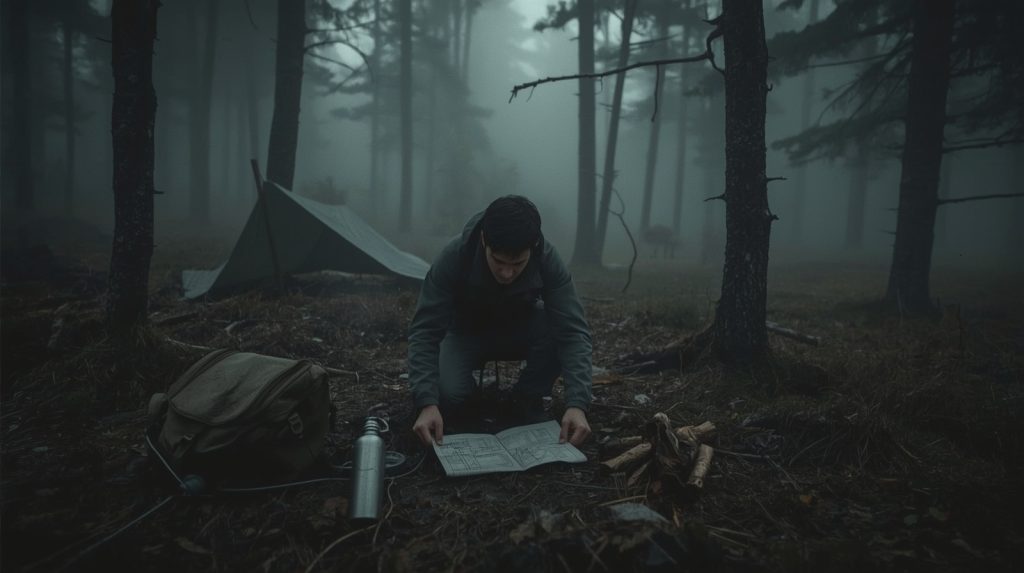
A military-style field guide for civilians who realize they’re lost: what to do in the first 60 minutes, how to stop the spiral, how to signal effectively, build shelter fast, secure water safely, and follow strict ‘don’t wander’...
Read Full Briefing >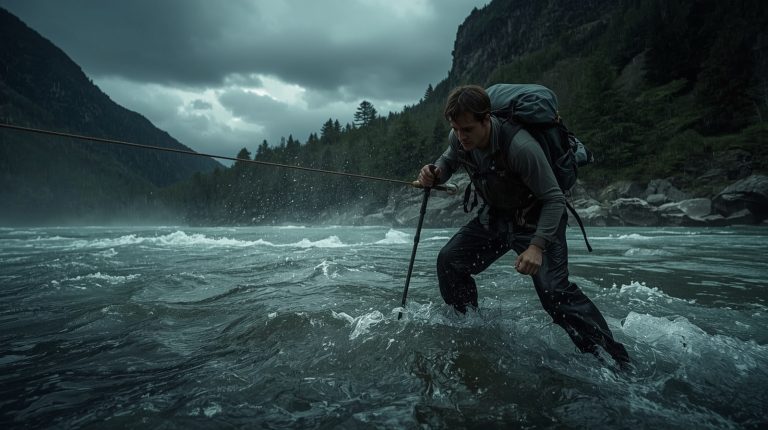
Swiftwater crossings are one of the fastest ways for a routine hike, hunt, or field problem to turn into a rescue. The danger isn’t...
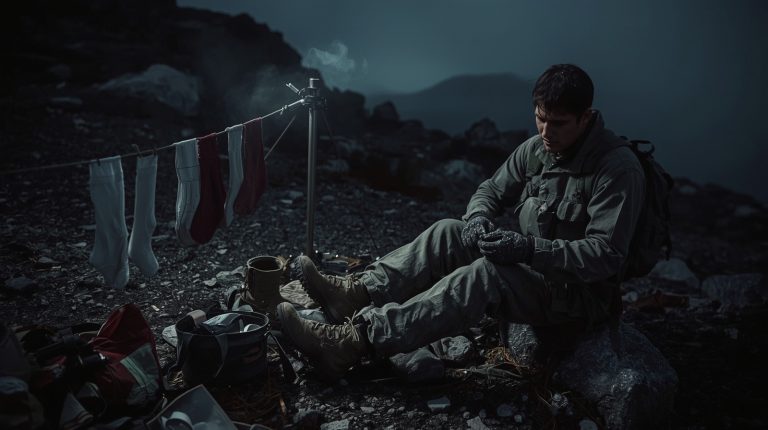
Foot problems don’t usually “happen” all at once. They build in layers: a little heel slip, a damp sock, a minor hot spot you...
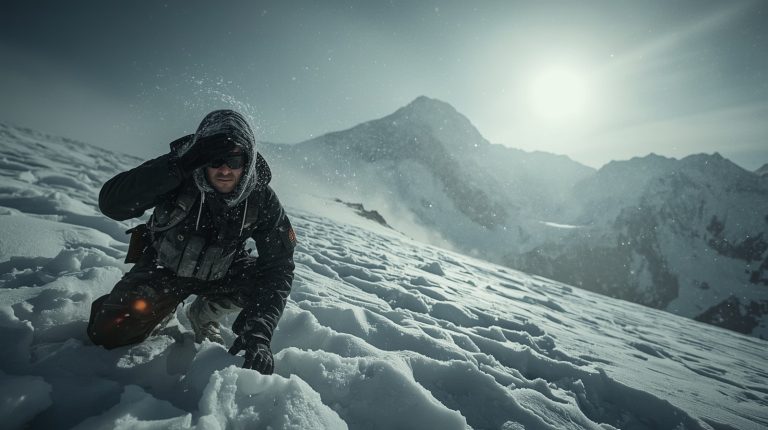
Eye injuries in the backcountry rarely start dramatic. More often, it’s a slow-burn problem: a windy ridge line throwing grit under your eyelid, a...
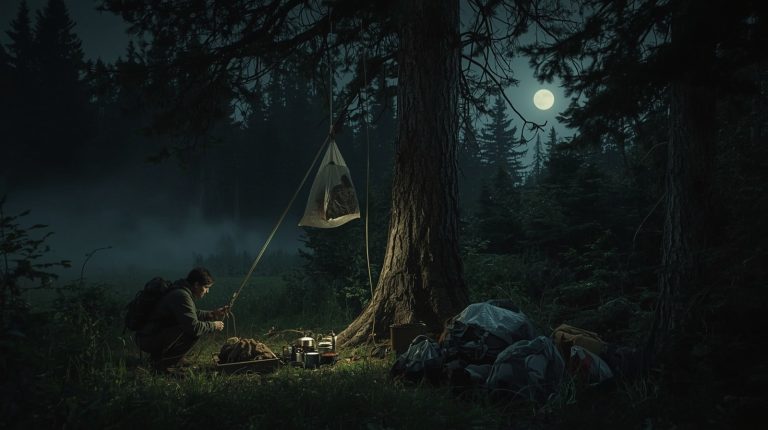
Bears don’t “visit camp” by accident. They follow calories, and your food-handling routine is either teaching them to stay wild or conditioning them to...
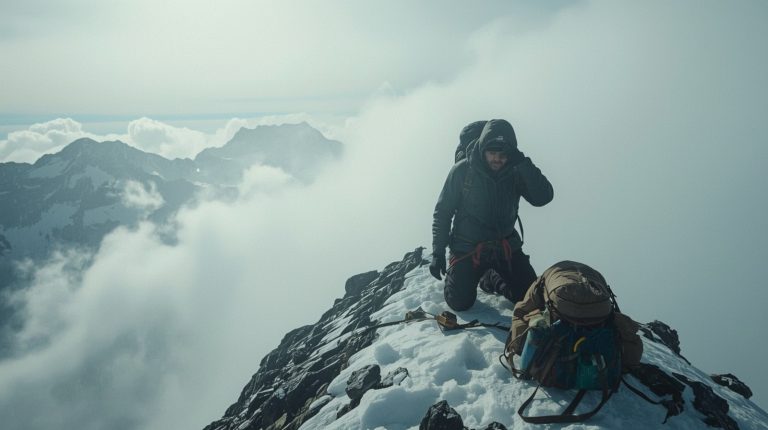
Altitude sickness is one of the most predictable backcountry problems, yet it still catches strong hikers because the timeline is unforgiving and the symptoms...
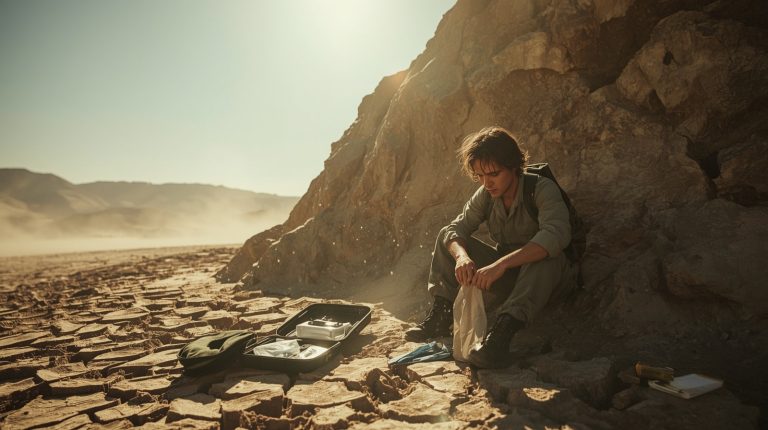
Heat illness is one of the fastest ways to turn a normal hike, hunt, or backcountry job into an evacuation. The problem is rarely...
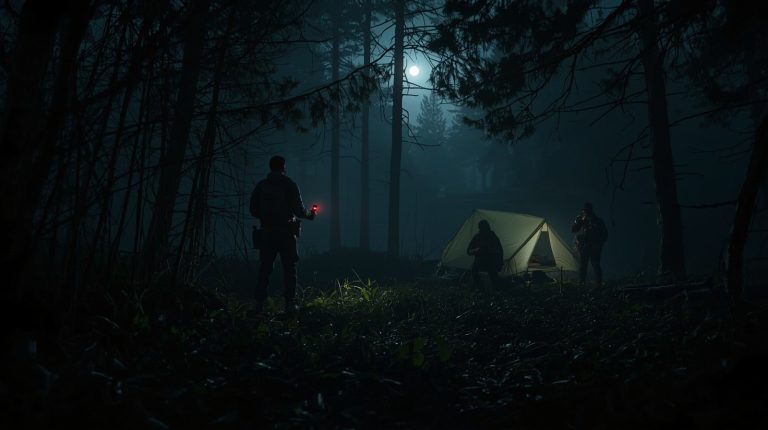
Night is when routine camp problems turn into serious incidents. People get disoriented leaving a tent, headlamps wipe out your night vision, and a...
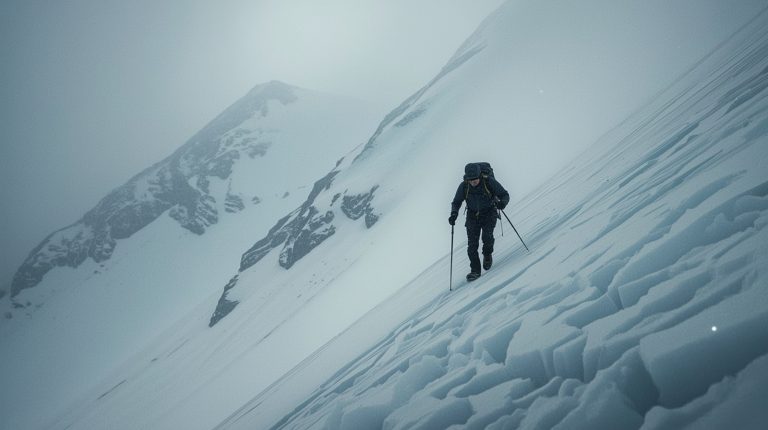
Avalanche terrain isn’t just a skier problem. Hikers and snowshoers get pulled into slides every winter because the hazards are often quiet, subtle, and...