How to Build a 72-Hour Urban Bug-Out Bag for Economic Collapse Scenarios
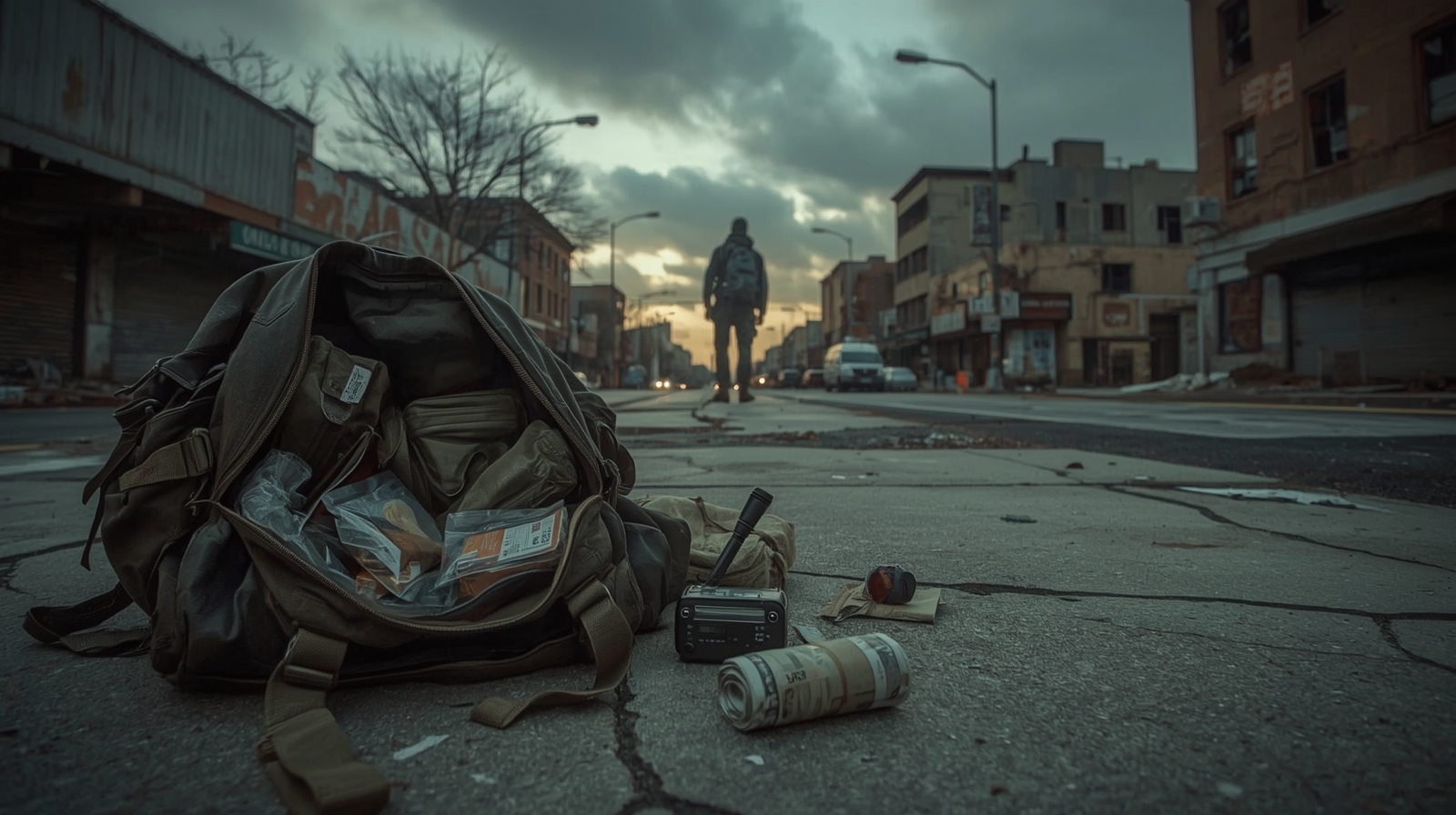
A 72-hour urban bug-out bag should help you reach a safer place, stay in contact, and manage the first three days of disruption. Start with drinking water, ready-to-eat food, essential medication, weather protection, light, documents, and a way to charge your phone. Choose a bag you can actually carry.
Economic disruption can make groceries, transportation, or electronic payments harder to access. It does not automatically mean you should leave home. This guide focuses on practical preparations for interrupted services, including outages and temporary displacement, rather than predicting a collapse.
Decide Where You Will Go Before Packing
Identify a nearby safe destination and an alternative outside your neighborhood. Confirm how you would get there if elevators, transit, or your usual road were unavailable. Plan for everyone traveling with you, including children, pets, and anyone who needs mobility or medical support.
Follow local evacuation and shelter-in-place instructions. Leave when authorities direct you to evacuate or when your location becomes unsafe. If home remains safe and authorities advise staying put, a stocked home may serve you better than traveling through a disruption. A bag supports your plan; it does not replace one.

- Store water and food for your household.
- Plan for lighting, sanitation, and essential medical devices.
- Know how to receive local emergency alerts.
- Keep supplies accessible if you cannot use stairs or elevators.

- Pack essentials you can carry to a known destination.
- Keep medication, contacts, and documents accessible.
- Plan safe water access along your route.
- Arrange transportation and a backup meeting place.
Choose a Pack That Fits Your Actual Load
A 30-40 liter backpack is a useful starting point for many adults, but there is no universal capacity or weight target. Cold-weather clothing, medical equipment, and family supplies can change the requirement. Begin with a bag you already own and buy another only if a loaded test shows a problem.
Look for comfortable straps, sound stitching, reliable zippers, and easy access to daily essentials. A supportive hip belt can help with heavier loads if it fits correctly. Use a pack liner or waterproof pouches for items that must stay dry. An ordinary commuter or travel bag is practical; color and branding do not guarantee safety.
Weigh the bag with water inside. Two liters of water weigh about 4.4 pounds before the bottles. Start with a short walk or a realistic mobility test, then adjust. If carrying a pack is impractical, plan an accessible alternative and assistance in advance.
Your 72-Hour Urban Bag Checklist
Use this as a starting list, then adapt it to your climate, destination, health needs, and budget. Keep a separate household reserve. For a broader packing review, use our 72-hour emergency kit checklist.
- Water: filled drinking-water bottles and a realistic plan for safe refills.
- Food: three days of familiar, shelf-stable food you can eat without cooking; a spoon or opener if needed.
- Medication and care: prescribed medicines, an up-to-date medication list, glasses, and essential personal care supplies.
- First aid: gloves, gauze, dressings, tape, adhesive bandages, and blister supplies.
- Light: a headlamp or flashlight with compatible spare batteries or charging support.
- Communication: phone, tested power bank, cables, printed contacts, and a portable emergency radio.
- Navigation: local map, destination addresses, and primary and alternate routes.
- Clothing: rain protection, a warm layer, spare socks, and comfortable footwear suited to local conditions.
- Hygiene: hand sanitizer, wipes, tissues, waste bags, menstrual supplies, and other personal essentials.
- Documents and money: identification, necessary copies, keys, and an affordable cash reserve in small bills.
- Household needs: infant supplies, pet supplies, hearing-aid batteries, mobility equipment, or other items specific to your group.
Water: Carry Safe Water and Plan the Next Refill
For stored emergency supplies, the CDC recommends at least one gallon per person per day for three days. Heat, illness, and other needs can increase that amount. Three gallons weigh about 25 pounds, so distinguish your home or vehicle reserve from what you can reasonably carry on foot. See the CDC’s emergency water guidance.
Two liters may be a practical starting carry for some routes, but it is not a three-day supply or a guarantee of enough water for one day. Plan around the distance, weather, individual needs, and confirmed safe supply at your destination. If safe refills are uncertain, reconsider the route, transport, or water load.
A backpacking filter does not make every urban water source safe. Typical hollow-fiber filters remove specified microbes but do not reliably remove viruses or dissolved chemicals. Boiling and disinfecting cannot make water contaminated with fuel or toxic chemicals safe. Use sealed bottled water or an officially designated safe supply when available. Follow local water advisories and the CDC’s emergency treatment instructions.
Do not rely on floodwater, decorative fountains, unknown rooftop tanks, or fire hydrants. Carry treatment equipment only if you understand its limits, maintenance, and instructions. Disinfectant products differ in the organisms they address and the contact time they require.
Food: Count the Whole Day, Not Just the Packages
Pack familiar foods you can tolerate: nut or seed butter if suitable, crackers, dried fruit, shelf-stable meal pouches, and bars. Check allergies, water requirements, and whether a package needs an opener. Divide food into daily portions so gaps are easy to spot.
Use your normal food needs as the starting point and account for activity and individual dietary requirements. As an arithmetic example, a plan of 2,000 calories a day requires 6,000 calories for three days. A package labeled 3,600 calories would provide only 1,200 a day if spread across all three days. Serving sizes and shelf lives vary by product; read the actual label.
Electrolyte products are optional for many people, not a substitute for water or meals. Mix them only with safe drinking water and follow their instructions. Choose products appropriate to your health needs.
Documents, Cash, and Personal Security
Keep your primary ID, phone, keys, and some cash in a secure place you can reach without displaying the contents of your bag. Store backup documents in a waterproof pouch. Printed and handwritten contact lists both work if they are legible and current.
- Carry emergency contacts, meeting addresses, and an out-of-area contact.
- Include necessary insurance details and prescription information.
- Bring relevant documents for children, dependents, or pets when needed.
- Minimize sensitive information in the bag. Avoid unnecessary Social Security card copies, full bank details, passwords, or PINs.
- Keep a protected backup separately in case the bag is lost.
Documents can help with recovery and assistance, but do not assume missing ID means you cannot seek shelter or urgent help. Requirements vary. For example, New Orleans states that ID is not required for city-assisted evacuation or shelter admission.
Set a cash reserve around likely transportation, food, and lodging costs without compromising normal bills. Small denominations can help when payment terminals are offline, though cash does not guarantee supplies will be available. There is no universal $300 or $500 minimum.
Silver coins, cigarettes, alcohol, and medication intended for barter are not priorities for a three-day evacuation bag. Put that money and carrying capacity toward water, essential care, transport, and supplies you know you will use.
First Aid and Essential Medication
Build around everyday injuries and your household’s medical needs. Pack gloves, gauze, dressings, tape, adhesive bandages, and blister care. Include a written medication and allergy list. Discuss an emergency prescription supply, storage requirements, and any refrigeration or power needs with your pharmacist or clinician.
Only pack over-the-counter medicines that are suitable for the people using them, with their original labels and dosing instructions. An emergency blanket can help reduce heat loss, but it does not treat the cause of shock or replace emergency care.
Pair bleeding-control equipment with training. The American College of Surgeons’ Stop the Bleed course teaches direct pressure, wound packing, and tourniquet use. Choose genuine equipment from a reputable supplier and learn when and how to use it. Course cost and availability vary. Call 911 for life-threatening injuries when service is available.
Communication, Navigation, and Power
Make a simple household communication plan: whom to contact, where to meet, and what to do if messages fail. Download maps before an outage, and carry a paper backup. Do not assume the internet will fail on a predictable schedule or that any device will work everywhere.

- Choose NOAA Weather Radio reception plus AM/FM for local broadcasts.
- Test reception where you live and along likely routes.
- Configure county alerts if your model supports SAME.
- Carry power for your actual use. Crank and solar charging are supplemental.

- A 10,000-20,000mAh bank is a starting range to evaluate, not a guaranteed runtime.
- Usable charges depend on the phone, conversion losses, temperature, and use.
- Pack compatible cables and test a full recharge.
- Check charge regularly and follow the manufacturer’s storage advice.

- Write down destination addresses and an alternate route.
- Account for bridges, closures, stairs, and accessibility.
- Share meeting locations with everyone in your group.
- Use current official instructions to adjust the plan.
- Use certified FRS radios for license-free personal communication in the US.
- GMRS operation requires an FCC license, including on channels shared with FRS.
- Buildings and terrain can sharply limit range. Test the actual route.
- Agree on channels and check-in times. Privacy codes do not encrypt conversations.
Check the FCC’s FRS and GMRS guidance before choosing a radio. A programmable amateur radio is not a substitute for a certified FRS radio.
Clothing, Shelter, and Packing Order
Choose layers for the local season and nighttime temperatures, not just the weather when you leave. Pack a rain shell, insulation, spare socks, and appropriate sun or cold protection. An emergency bivy is a backup; it does not automatically replace a temperature-appropriate sleeping system or a safe indoor destination.
Wear shoes you have tested. Keep a light, rain layer, snacks, and first aid easy to reach. Place dense items close to your back and secure them so they do not shift. Keep sleeping supplies and spare clothing deeper in the pack, protected from leaks. Keep essential medication accessible, and do not bury your drinking water under the entire load.
Buy Only What Your Kit Is Missing
Check your existing supplies before shopping. The category links below are Amazon searches, not individually tested product endorsements. Compare the actual specifications and seller before buying. As an Amazon Associate, Military Trained earns from qualifying purchases.


Test the Bag and Keep It Ready
- Monthly: check battery levels, test your light and radio, and replace anything borrowed from the kit.
- Seasonally: adjust clothing, inspect packaging, and rotate food, water, and medication according to their instructions and dates.
- After a household change: update contacts, routes, prescriptions, and supplies for children or pets.
- After a practice run: remove unnecessary weight and fix anything difficult to carry or find.
Start with a manageable walk or an accessible evacuation rehearsal. Practice finding your light, contacts, medication, and rain layer without emptying the bag. Confirm that everyone knows the destination and the backup plan. The useful kit is the one you can maintain, move, and use.
For more planning guidance, see Ready Army and your local emergency management agency. Review the bag alongside your household supplies so portable essentials and longer-term reserves work together.