
The Science of Water Crossing: Techniques for Safely Navigating Rivers and Streams
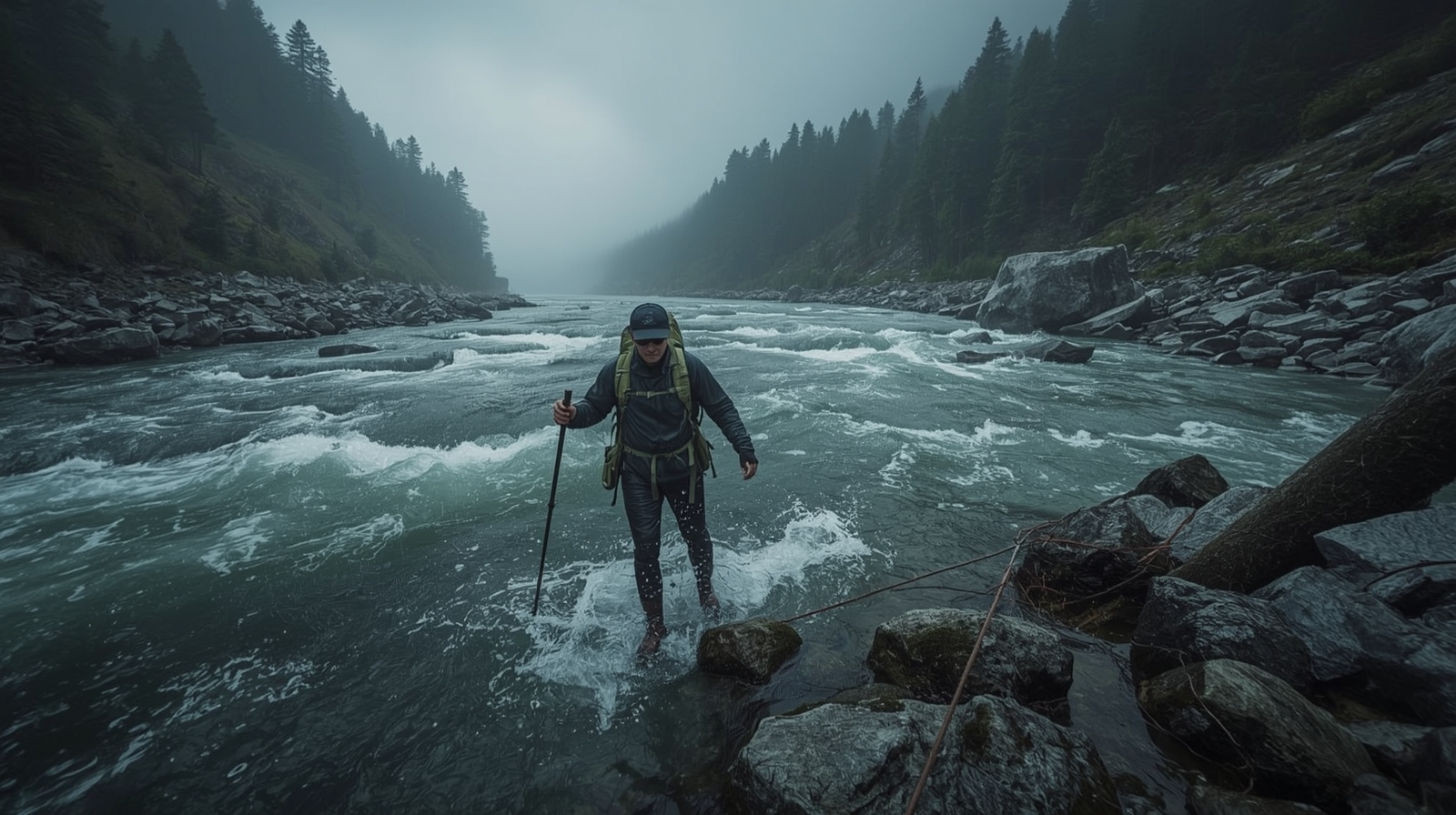
Understanding Water Dynamics
The Basics of River Flow
Water dynamics in rivers and streams can be complex, influenced by factors such as volume, speed, and the riverbed’s shape. Understanding how water moves is crucial for safely crossing. For instance, the faster the water flows, the more difficult and dangerous the crossing can be. Recognizing signs of potentially hazardous conditions is also essential. These include deep channels, swift currents, and obstacles both above and below the water’s surface.
Related Articles:
Recognizing Hazards
Rivers are dynamic environments that can change dramatically with weather conditions and seasons. Key hazards to look out for include:
- Slippery rocks
- Sudden drop-offs
- Strong undercurrents
Identifying these dangers before attempting a crossing is key to ensuring your safety.
Preparing for a Crossing
Preparation is a critical step in safely navigating rivers and streams. This involves:
- Scouting the river for the safest crossing point, often a section that is wide with slower-moving water
- Understanding the best time of day for crossing, as water levels can be lower in the early morning
Transitioning from understanding water dynamics to selecting the right gear is crucial for a safe crossing experience.
Selecting the Right Gear
Footwear for River Crossing
Choosing the right footwear is essential for maintaining balance and protecting your feet during a water crossing. Ideal options include:
- Shoes with a firm grip to prevent slips on wet rocks
- Closed-toe shoes for protection against sharp objects
- Specialized water shoes for their quick-drying properties and comfort
Using Support Tools
For added stability during a crossing, trekking poles or a sturdy stick can be invaluable. They help test the depth of the water ahead and provide a third point of contact with the riverbed.
Dressing Appropriately
Wearing the right clothing impacts your crossing experience. Opt for:
- Quick-drying fabrics
- Layers that can be easily removed or secured
- Avoiding cotton, which retains water and can weigh you down
Assessing and Executing a Safe Crossing
Assessing the Crossing Point
Choosing the right spot to cross involves evaluating the water’s speed, depth, and the presence of obstacles. Sometimes, the best crossing point is not the most obvious one.
Techniques for Safe Crossing
Once you’ve selected a crossing point, several techniques can increase your safety, such as:
- Angling your path slightly upstream to resist the current’s force
- Facing the current and shuffling sideways for better balance and control
- Group crossings, where individuals cross together using each other for support
When to Turn Back
Knowing when to abandon a crossing attempt is crucial. If the water is too swift, deep, or if there’s any doubt about your ability to cross safely, it’s best to turn back.
Mastering River and Stream Crossings
Choosing the Best Time for Crossing
Timing can significantly impact your crossing experience. Early morning is often the best time due to lower water levels.
Reading the Water
Understanding how to read the water can provide valuable insights. Look for areas where the water flows smoothly over a wide area, indicating a shallower crossing point.
Practice Makes Perfect
Practicing in a safe, controlled environment is wise before attempting to cross. This helps you become more comfortable with the sensation of moving water and the techniques for maintaining balance.
Effective Group Crossing Strategies
The Buddy System
Crossing with a partner or in a small group can offer additional safety. The strongest member of the group should be positioned upstream.
Using a Rope for Support
In strong currents or challenging crossings, using a rope can enhance safety. This technique requires careful planning and knowledge of knot-tying.
Communication and Coordination
Effective communication and coordination are vital for group crossings. Establish clear signals and discuss the crossing plan thoroughly before entering the water.
Navigating Special Circumstances
Crossing at Night
Avoid night crossings if possible. If unavoidable, use a headlamp and move slowly, relying heavily on your poles or stick for stability.
Dealing with Swift Currents
When facing swift currents, angle your body slightly downstream to reduce resistance. Move slowly and deliberately, ensuring each step is secure.
Unexpected Situations
Be prepared to turn back or wait for conditions to improve in the face of sudden weather changes or increased water flow.
Advanced Navigation Techniques for Challenging Conditions
Identifying and Utilizing Eddies
Eddies can provide a momentary respite from the force of the stream. Identifying and utilizing these natural shelters effectively requires timing and observation.
Crossing Near Natural Barriers
Natural barriers can offer support during a crossing but also present hazards. Evaluate each potential support for its stability and the flow around it.
Dealing with Cold Water Temperatures
To mitigate the risks of cold water, keep as much of your body dry as possible and wear layers that can be easily adjusted.
Troubleshooting Common Crossing Challenges
Swift Currents and Uncertain Footing
Lower your center of gravity and use trekking poles or a sturdy stick for additional support in swift currents with uncertain footing.
Unexpected Weather Changes
Be prepared to reassess your need to cross and prioritize safety over sticking to a planned route or schedule in the face of unexpected weather changes.
Navigating Around Obstacles
Approach obstacles with caution and look for the safest path around, even if it means extending your crossing.
Final Thoughts and Safety Reminders
The Importance of Preparation and Respect for Nature
Successfully navigating rivers and streams hinges on thorough preparation and respect for nature. Always scout ahead and be willing to adjust plans based on conditions.
Building Your Skills and Knowledge
Continuously building your river crossing skills through practice and education is crucial. Consider taking courses and learning from experienced outdoorsmen.
Next Steps for the Aspiring Adventurer
Continually seek out new information, practice in safe environments, and challenge yourself under controlled conditions. Remember, the most experienced adventurers are those who have learned to read the water’s language and respond with respect and caution.
Compare Products
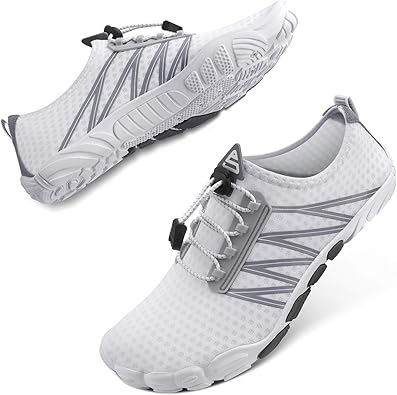
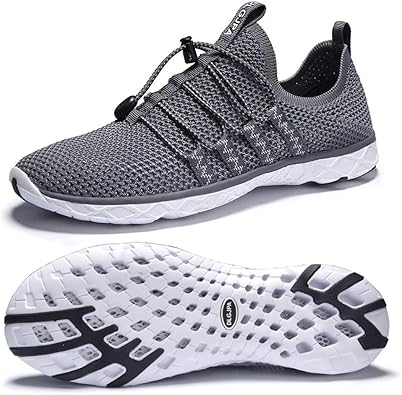
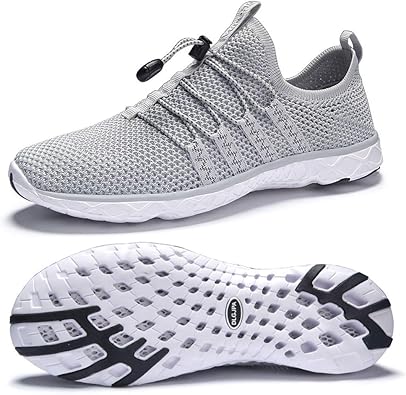
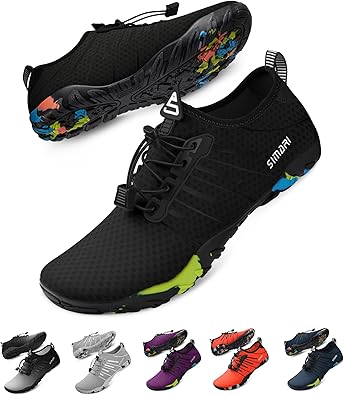
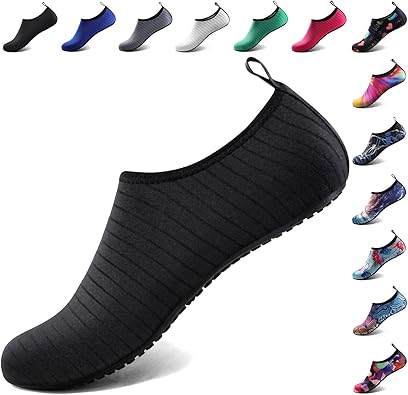
Having just explored the complexities of river flow and how crucial it is to understand water dynamics for safe crossing, it’s equally important to consider the right gear. Specifically, footwear like the SEEKWAY Water Shoes for Men and Women, and DLGJPA’s Lightweight Quick Drying Aqua Water Shoes for both genders, offer features tailored for aquatic adventures. These products promise not only to keep your feet protected but also to enhance your experience in and around water, be it a river, lake, or the ocean.
By comparing these water shoes, you can pinpoint which pair best suits your needs, whether you’re an avid kayaker, a beachcomber, or someone who enjoys serene hikes by the river. Each has unique qualities, from quick-drying materials
| Feature / Product | SEEKWAY Water Shoes Men Women Adult Quick-Dry Aqua Sock Barefoot for Beach… | DLGJPA Women’s Lightweight Quick Drying Aqua Water Shoes | DLGJPA Men’s Lightweight Quick Drying Aqua Water Shoes | SIMARI Water Shoes for Women Men – Barefoot Quick-Dry Aqua Socks | … | ATHMILE Water Shoes for Women Men Quick-Dry Aqua Socks Swim Beach Barefoot… |
|---|---|---|---|---|---|---|
 |
 |
 |
 |
 |
||
| $61.99 | $52.49 | $45.99 | $17.58 | $24.17 | ||
| Shop now → | Shop now → | Shop now → | Shop now → | Shop now → | ||
| Features | ||||||
| Material | N/A | N/A | N/A | N/A | N/A | |
| Fit | N/A | N/A | N/A | N/A | N/A | |
| Waterproof | N/A | N/A | N/A | N/A | N/A | |
| Breathability | N/A | N/A | N/A | ✔ | N/A | |
| Available Sizes | N/A | N/A | N/A | N/A | N/A |