Long-term Survival Shelter: Designing and Building for Durability and Safety
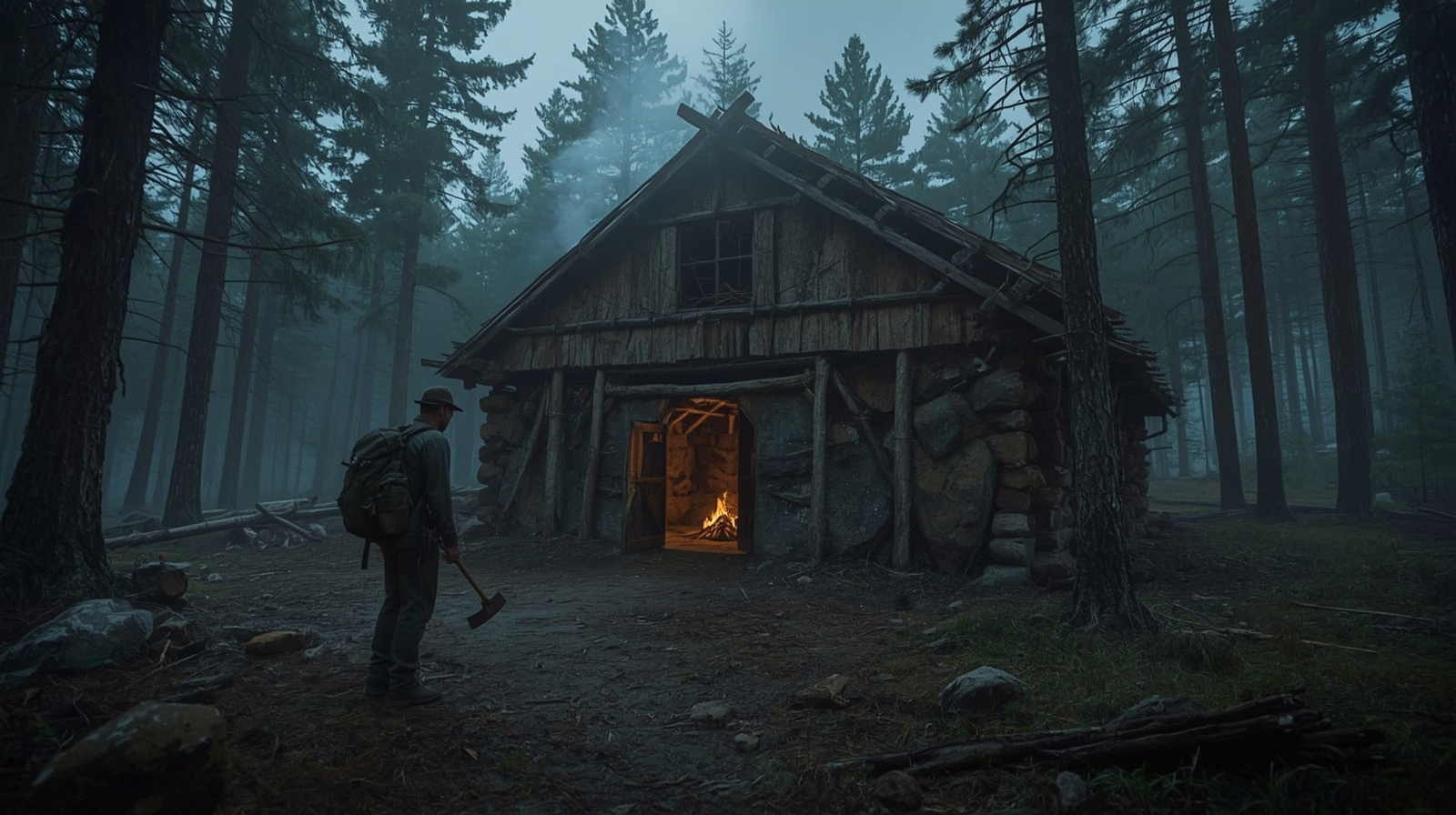
Choosing the Right Location
Importance of Location Selection
Selecting the right location is the first critical step in building a long-term survival shelter. The ideal spot should offer:
Related Articles:
- Protection from natural elements
- Access to water
- Some degree of concealment from potential threats
However, it’s also essential to consider the risk of natural disasters in the area, such as floods, wildfires, or landslides. A high ground location is often preferable, as it provides a natural defense against flooding and increases visibility.
Evaluating Environmental Factors
The environment around your chosen location will greatly influence your shelter’s design and materials. For instance:
- Dense forests offer abundant resources but require structures that can withstand heavy snow or wind.
- Arid environments demand shelters that provide cooling and minimize water usage.
It’s vital to assess the availability of natural resources, such as wood, water, and edible plants, which can support your long-term survival.
Understanding Structural Foundations
Basics of Structural Integrity
For a shelter to be considered suitable for long-term use, it must have a solid foundation and structure. Key architectural principles include:
- Load distribution
- The triangle of stability
Utilizing the natural terrain to your advantage, such as building against a rock face for added protection and stability, can significantly enhance your shelter’s durability.
Choosing Durable Materials
The materials chosen for your shelter can make a significant difference in its longevity and safety. Considerations include:
- Natural materials like wood and stone are abundant and can be very durable.
- Wood is prone to rot in damp conditions unless properly treated or selected for natural resistance.
- Incorporating salvaged or repurposed materials can add strength and weather resistance to your structure.
Planning for Comfort and Safety
Designing for Climate Adaptability
Your shelter’s design should not only protect you from the elements but also provide a comfortable living space. This means considering:
- Insulation
- Ventilation
- Heating or cooling needs
A shelter that is too open may offer insufficient protection against cold weather, while a poorly ventilated space can become unbearably hot or damp. Strategic design, such as positioning windows for cross-ventilation or incorporating a fireplace for warmth, can help mitigate these issues.
Ensuring Safety Features
Safety features are a crucial aspect of any long-term survival shelter. This includes:
- Secure entrances
- Emergency exits
- Defensive measures depending on the scenario
Fire safety is another critical consideration; materials should be chosen with fire resistance in mind, and designs should include safe cooking areas and smoke ventilation. Regular maintenance checks are vital to ensure that the shelter remains safe and habitable over time.
Maximizing Natural Resources for Sustainability
Harnessing Water Sources
One of the most critical resources for any long-term survival shelter is a reliable water source. Techniques include:
- Rainwater harvesting systems
- Building a catchment system with gutters and storage tanks
Moreover, understanding the basics of water purification-such as boiling, distillation, or using purification tablets-is essential to ensure the water is safe for drinking.
Utilizing Local Materials
Building your shelter with materials found in your immediate environment not only saves costs but also reduces the ecological footprint. Effective materials include:
- Fallen trees for timber
- Stones for foundations
- Clay for waterproofing
It’s crucial to understand the properties of these materials; some woods are more resistant to rot, while certain stones can provide better insulation.
Energy Solutions from Nature
For a truly sustainable shelter, incorporating renewable energy sources is a game-changer. Options include:
- Solar panels for lighting and small appliances
- Wood stoves for heating and cooking in wooded areas
- Wind turbines in windy locales
Planning for energy independence using the environment’s natural offerings can significantly increase your shelter’s long-term viability.
Designing for Efficiency and Security
Space Utilization and Storage
Efficient use of space is paramount in a survival shelter. Designing multi-functional areas and furniture can vastly improve living conditions. Examples include:
- Benches doubling as storage units
- Loft beds to free up floor space
Implementing vertical storage and built-in compartments can help keep your living area organized and functional, crucial for maintaining morale and efficiency over long periods.
Security Measures
While the hope is never to encounter a threat, preparing for the possibility is wise. Simple security measures include:
- Reinforced doors
- Lockable windows
- Strategic sightlines for visibility around the shelter
Additionally, discreet construction and camouflage techniques can make your shelter less noticeable to passersby. For more advanced security, consider setting up a perimeter alarm system using tripwires or motion detectors, which can be made from repurposed materials.
Fire Prevention and Management
Fire safety in a long-term survival shelter cannot be overstated. Steps include:
- Choosing less flammable materials for construction
- Installing smoke detectors
- Having fire extinguishers or sand buckets readily available
A well-constructed fireplace or stove, properly ventilated, can reduce the risk of accidental fires while providing warmth and cooking capabilities.
Cultivating Self-Sufficiency
Food Production
For a shelter to be sustainable in the long run, you’ll need a reliable food source. Strategies include:
- Starting a garden with vegetables and herbs
- Raising small livestock, like chickens
Understanding crop rotation and soil management can maximize your yields and sustain your land’s fertility. Foraging for edible plants and learning to hunt or fish responsibly can supplement your diet and provide variety.
Water Management
Beyond harvesting, managing your water supply efficiently is crucial. Techniques like drip irrigation can help conserve water in your garden. Building a simple greywater system can recycle water from washing for irrigation purposes, reducing your overall water consumption. Knowing how to repair and maintain your water collection and purification systems will keep them operational over time, ensuring your shelter remains habitable.
Skills Development
Survival in a long-term shelter goes beyond the physical structure; it requires a set of skills that must be honed over time. From basic carpentry and masonry to more advanced skills like electrical wiring for solar setups, investing time in learning these skills can make all the difference. Educational resources, such as books, online courses, and hands-on workshops, can provide valuable knowledge that enhances your shelter’s sustainability and your quality of life within it.
Advanced Shelter Enhancements for Longevity and Resilience
Upgrading Insulation and Ventilation
Upgrading your shelter’s insulation and ventilation systems is essential for maintaining a comfortable internal environment, especially under extreme weather conditions. Advanced insulation materials such as spray foam can offer superior thermal resistance and moisture control. For ventilation, consider solar-powered fans to promote air circulation without draining your energy resources. These enhancements not only improve living conditions but also contribute to the structural longevity by preventing mold growth and wood rot.
Integrating Smart Water Collection Systems
While basic rainwater harvesting is a good start, integrating more sophisticated water collection systems can significantly increase your water security. Advanced gutter systems with filtration can capture and purify water more efficiently, ensuring a cleaner supply. Additionally, incorporating dew collection systems or atmospheric water generators, though more complex, can provide an additional water source during dry periods.
Reinforcing Structural Security
To further ensure the longevity and safety of your shelter, consider reinforcing its structural security. This could involve the installation of advanced locking mechanisms, security cameras powered by solar energy, and motion sensors to alert you to any potential threats. These systems can be discreetly integrated to maintain the camouflage of your shelter while offering peace of mind.
Sustainable Living and Self-Reliance Strategies
Establishing Permaculture Principles
Applying permaculture principles to your shelter’s surroundings can transform it into a sustainable ecosystem. This involves designing your garden and landscaping to work with nature, rather than against it, to produce food, purify water, and regulate shelter temperatures. Techniques such as companion planting, swales for water management, and incorporating biodiversity can create a self-sustaining environment that supports both you and the local wildlife.
Implementing Renewable Energy Systems
Beyond basic solar panels, consider diversifying your renewable energy sources for a more resilient power supply. Small-scale hydroelectric generators can be an excellent option if you’re near a water source, and bioenergy systems can convert organic waste into energy. Experimenting with different energy systems can provide backup options, ensuring you remain powered in various scenarios.
Developing Advanced Food Production Systems
To secure your food supply, advance beyond traditional gardening by implementing aquaponics or hydroponics systems. These soil-less growing systems can produce a high yield of vegetables and herbs in a smaller space, with less water, and are less susceptible to soil-borne diseases. Additionally, breeding fish or other aquatic organisms provides a dual benefit of protein sources and plant fertilization.