Preparing a Tactical First Aid Kit: Essentials and Customizations
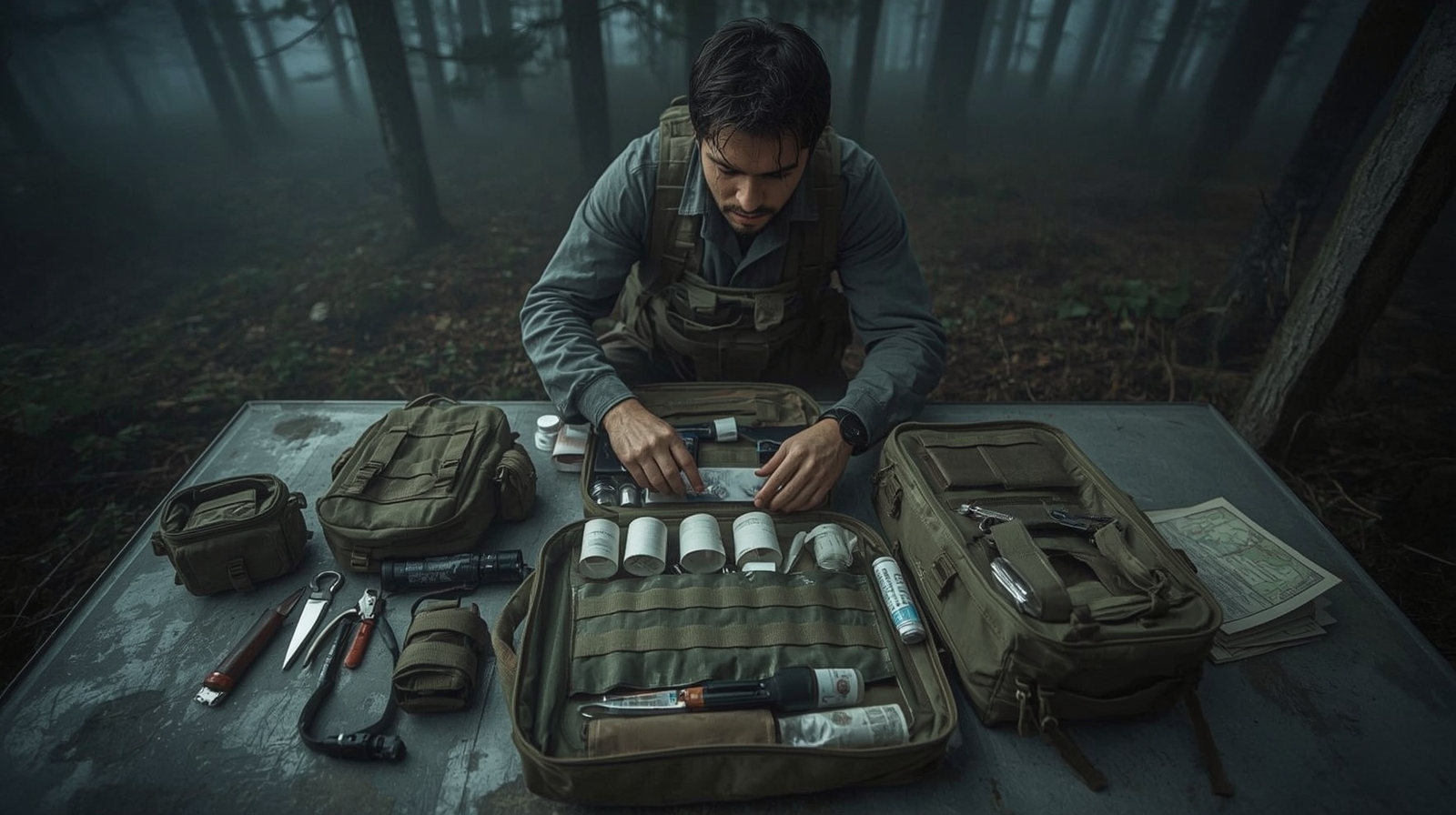
The Foundation of Your Tactical First Aid Kit
Essential Items for Every Kit
Every tactical first aid kit should start with the basics. These items address common injuries and situations you might encounter in the field:
Related Articles:
- Adhesive bandages of various sizes
- Antiseptic wipes
- Antibiotic ointment
- Gauze pads
- Medical tape
- Pain relief medication
These foundational items are crucial as they serve as the first line of defense against infection and manage pain until further care is available. For instance, a simple cut can turn septic if not properly cleaned and covered, underscoring the necessity of these supplies.
Customizing for Personal Needs
While the foundational items are essential, personalizing your kit is crucial. Consider your personal medical history or specific activity risks. For example:
- Include antihistamines or an EpiPen for known allergies.
- Add waterproof bandages and ointment if your adventure involves water.
This customization ensures your kit is tailored to your unique needs and the specific scenarios you might face.
Importance of Quality and Durability
When selecting items for your first aid kit, opt for medical-grade supplies. Ensure tools like scissors and tweezers are made from durable materials. Regularly check your kit, as recommended by the Red Cross, replacing any used or expired items. This guarantees your kit’s functionality and readiness for emergencies.
Understanding Trauma Supplies
Basic Trauma Management Items
For severe injuries, include items capable of managing trauma:
- A tourniquet for controlling severe bleeding
- Chest seals for puncture wounds
- A pressure dressing
Understanding how to use these items is crucial, so consider taking a basic first aid or trauma management course. Resources like the American Heart Association offer classes to prepare you to use these life-saving tools effectively.
The Role of Hemostatic Agents
In severe bleeding scenarios where a tourniquet cannot be applied, hemostatic agents like quick clotting gauze can be lifesavers. These agents accelerate the body’s natural clotting process, significantly reducing blood loss until professional help arrives. Including these alongside traditional bandages offers a comprehensive approach to bleeding emergencies.
Compactness and Accessibility
Ensure trauma supplies are compact and accessible. Organize your kit to prioritize the accessibility of these items. Use clear, waterproof bags to separate and label items, ensuring everything has its place and can be found quickly.
Special Considerations for Environmental Challenges
Adapting to Weather and Terrain
Your first aid kit should adapt to the environment you’ll be entering. For cold climates, include items to prevent hypothermia like emergency blankets or heat packs. In hot climates, consider electrolyte tablets and sunburn relief. Tailoring your kit to the weather and terrain ensures effectiveness and preparedness for specific challenges.
Dealing with Water and Moisture
Waterproofing your first aid supplies is essential for water-based or rainy environments. Store your kit and its contents in waterproof bags or containers to protect against moisture. This is crucial for items like adhesive bandages and gauze, which lose effectiveness when wet. Also, include water purification tablets as part of your emergency supplies, ensuring access to clean drinking water.
The Importance of Navigation and Communication Tools
Including basic navigation and communication tools can enhance your safety. A compass, map, and whistle for signaling can be lifesavers if you become disoriented or lost. These items, while not addressing medical needs directly, prevent situations where extensive first aid might be necessary.
Advanced Wound Care Techniques
Managing Deep Cuts and Lacerations
For deep cuts or lacerations, follow these steps:
- Clean the wound thoroughly with antiseptic wipes.
- Apply pressure with a clean gauze pad to stop bleeding.
- Use a hemostatic agent if bleeding does not stop, then bandage tightly with medical tape.
Deep wounds might require stitches, so seek medical attention as soon as possible.
Dealing with Burns
For burns, immediately cool the burn with running water, then cover it with a sterile burn dressing. Avoid applying creams, ointments, or ice directly to the burn. For chemical burns, remove contaminated clothing and rinse the skin thoroughly. Monitor burns closely for infection and consult a healthcare professional if necessary.
Splinting Broken Bones
For fractures or broken bones, immobilization is key. Create a makeshift splint with rigid materials, then secure it with bandages or cloth strips. Ensure the splint extends beyond the joints above and below the fracture. Check circulation after splinting to ensure it’s not too tight.
Emergency Response Strategies
Prioritizing Injuries
In multiple-injury scenarios, prioritize life-threatening conditions using the ABC (Airway, Breathing, Circulation) approach. Stabilizing these conditions before addressing less critical injuries can be life-saving.
Creating an Evacuation Plan
Having an evacuation plan is vital. Determine the fastest, safest route to medical help before your journey. If someone is severely injured and cannot move, signal for help with a whistle and a mirror. Knowing the location of the nearest ranger station or emergency services can reduce response time during a crisis.
Handling Shock
Shock, a life-threatening condition, requires immediate action. Symptoms include cold, clammy skin, rapid breathing, and confusion. Lay the person down and elevate their legs, keeping them warm and calm until help arrives. Avoid giving them anything to eat or drink.
Tailoring Your Kit for Group Needs
Assessing Group Medical Needs
When preparing a first aid kit for a group, consider each member’s specific needs. Stock your kit with necessary items like extra epinephrine injectors or glucose gels, ensuring there’s enough basic supplies for the group size.
Training and Education
Organize a training session before your trip, focusing on common scenarios and basic first aid knowledge. Certification courses offered by organizations like the American Red Cross can empower everyone to act confidently in an emergency.
Communication Plan
Ensure your group has a solid communication plan. Designate meeting points and ensure everyone has a way to call for help. Keeping lines of communication open can prevent emergencies and ensure a quick response when needed.
Advanced Environmental Protection Techniques
Protecting Your First Aid Kit from Extreme Temperatures
Insulate your kit in a thermal protective bag when venturing into extreme heat or cold. This can extend the lifespan of your kit’s contents, ensuring their effectiveness.
Waterproofing Beyond the Basics
For electronic items like digital thermometers or flashlights, consider double bagging or using vacuum-sealed bags. Adding silica gel packets can protect sensitive items from humidity and condensation.
Adapting to Altitude Changes
Altitude can affect both users and contents of a first aid kit. Include medications to treat altitude sickness symptoms and educate yourself and your group on the signs and responses to altitude sickness.
Expert Tips for Kit Maintenance and Upkeep
Regularly Rotate Supplies
Set a schedule to review and rotate out expired items, ensuring your kit is stocked with effective, safe-to-use supplies. This is crucial for medications and sterile items.
Practice Makes Perfect
Familiarize yourself and your group with each item in the kit through formal training sessions or informal workshops. Hands-on practice with items like tourniquets and splints can turn knowledge into instinctive action.
Kit Customization and Feedback
Evaluate the effectiveness of your kit after each use. Adjust the contents based on your experiences and feedback from group members. This iterative process ensures your kit evolves to meet changing needs.
Putting It All Together
The Importance of Continuous Learning
Stay informed on new techniques, products, and best practices in first aid and emergency response. Engage with communities and organizations like the American Red Cross for ongoing education.
Next Steps and Action Items
Assess your current first aid kit, identify gaps, and consider enrolling in new training courses. Engage with a community of like-minded individuals to maintain and enhance your tactical first aid capabilities.