Mastering the Art of Silent Movement for Stealth Camping and Hunting
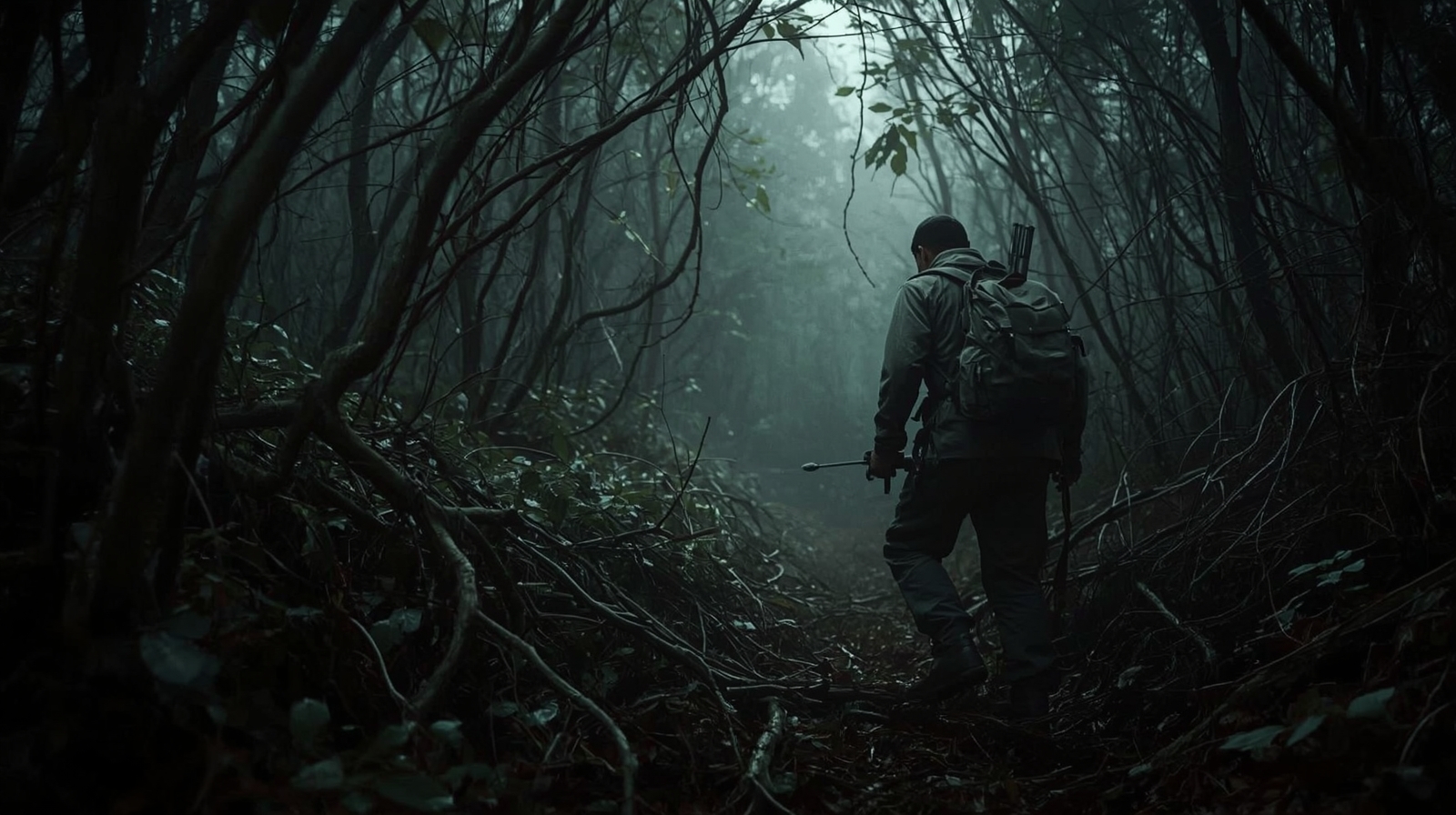
The Foundations of Silent Movement
Understanding Your Environment
Mastering silent movement starts with a deep understanding of your surroundings. Being aware of natural sounds and learning how to blend in is essential. For example, dry leaves can be noisy, so seeking alternative paths or moving slowly can help minimize sound. Terrain reading is a skill that improves with practice and patience.
Related Articles:
The Right Gear for Stealth
Choosing appropriate gear is crucial:
- Soft-soled boots or shoes are recommended for quieter steps.
- Opt for soft fabrics that don’t rustle.
- Ensure gear fits snugly to avoid catching on branches.
Practice Makes Perfect
Practicing in various conditions is key to mastering stealth:
- Observe the noise you make in different settings.
- Practice walking and moving slowly to reduce noise.
- Try out your skills in different weather conditions and times of the day.
Key Techniques for Silent Walking
Heel-to-Toe Walking
The heel-to-toe method is a core technique for reducing noise while walking. It involves placing your heel down first, then rolling your foot down to your toe. This method requires practice but is effective in minimizing sound.
Using Natural Sound Cover
Incorporating natural sounds to mask your movements is a clever strategy. Timing your actions with the wind or a flowing stream can help conceal any noise you make. This approach demands a heightened awareness of your surroundings.
Minimizing Equipment Noise
To further reduce noise, consider the following:
- Secure loose items to prevent them from making noise.
- Choose equipment with silent features.
- Use lubricants on zippers or opt for magnetic closures for quieter access.
Understanding Animal Behavior
Reading Signs and Signals
Animals offer valuable insights into the environment. Observing birds, for example, can alert you to other animals or changes nearby. Understanding these signals can guide your silent movements.
The Importance of Wind Direction
Wind direction is critical in avoiding detection. Always plan your movements with the wind in mind to prevent your scent from alerting animals.
Staying Out of Sight
Combining silent movement with visual stealth is essential. Use natural cover and understand animal perception to choose the best paths and hiding spots.
Transitioning from the basics of silent movement, let’s delve into more advanced navigation techniques.
Advanced Navigation Techniques for Stealth
Choosing Your Path Wisely
Selecting the right path is crucial:
- Look for routes that offer natural sound barriers.
- Soft, mossy ground can absorb sound better than dry underbrush.
- Always consider the quietest route, even if it’s longer.
Utilizing Shadows and Cover
Being unseen is as important as being unheard. Use shadows and natural cover effectively, especially during times when shadows are longer.
Timing Your Movements
Observing environmental patterns and timing your movements can greatly enhance your stealth. This includes moving during less noticeable moments and pausing when necessary.
Mastering the Art of Camouflage
Blending with the Environment
Effective camouflage involves:
- Matching the textures and patterns of your surroundings.
- Using natural materials to break up your silhouette.
- Applying mud or dirt to shiny surfaces.
Minimizing Visual Distractions
To avoid detection:
- Move slowly and deliberately.
- Use binoculars to observe from a distance.
- Avoid unnecessary movements.
The Role of Light and Shadow
Understanding light and shadow is pivotal. Move in a way that keeps you within shadows, reducing the chances of being spotted.
Silent Communication and Coordination
Non-Verbal Signals
Developing non-verbal signals for group coordination is vital. Practice these signals to ensure clear understanding among group members.
Planning and Synchronization
Plan your moves and routes carefully with your group. Discuss potential scenarios and how to handle them silently for effective synchronization.
Using Technology Wisely
When using technology:
- Set devices to silent mode and minimize screen brightness.
- Use vibration modes for alerts.
- Keep screen usage to a minimum, especially in dark conditions.
Navigating Challenges in Stealth Tactics
Dealing with Adverse Weather Conditions
Adverse weather can be both a challenge and an ally. Use the sound of rain to cover movement noise, and move carefully on slippery surfaces.
Unexpected Wildlife Encounters
If you encounter wildlife unexpectedly, freeze and assess their behavior. Use slow movements to either back away or remain unnoticed.
Expert Tips for Long-Term Stealth Success
Continuous Learning and Adaptation
Reflect on each expedition to improve your techniques. Engage with the stealth camping and hunting communities for new strategies.
Physical Conditioning
Incorporate exercises that improve strength, flexibility, and balance to enhance your silent movement abilities.
Putting It All Together
Embracing the Stealth Mindset
Adopting a stealth mindset involves patience, observation, and a willingness to blend into your environment. Anticipate challenges and think ahead for success.
Next Steps for Mastery
Continue practicing in various environments and set specific goals for improvement. Join workshops or expeditions to learn from experienced practitioners.
In mastering the art of silent movement for stealth camping and hunting, understanding your environment, perfecting your gear, and practicing techniques are just the beginning. By embracing these strategies and maintaining a mindset of continuous improvement, you can significantly enhance your ability to move unseen and unheard in nature.
Recommended Product
TIDEWE Hunting Clothes for Men with Fleece Lining, Safety Strap Compatible…
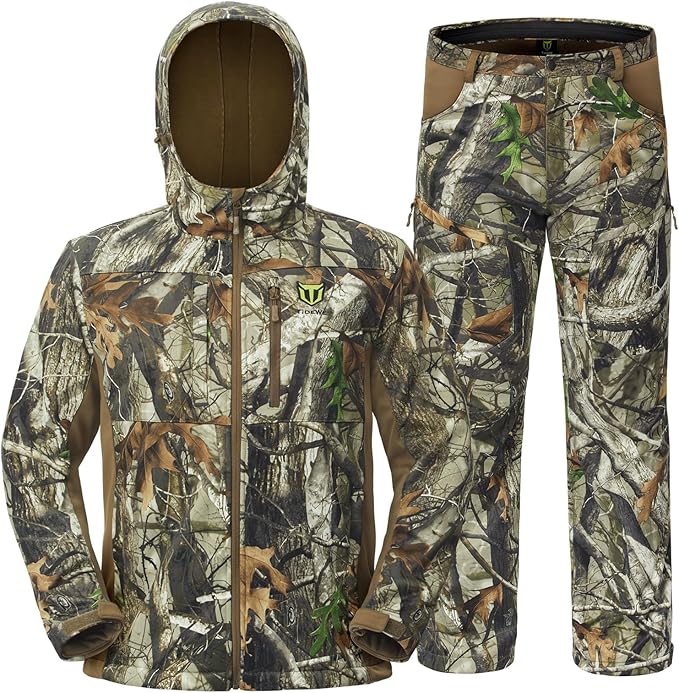
Price: 189.95 | Rating: ⭐ 4.5 out of 5 stars/5