Advanced Signalling Techniques: Ensuring Your SOS is Seen and Heard
The Basics of Visual Signaling Techniques
Understanding Light and Reflection
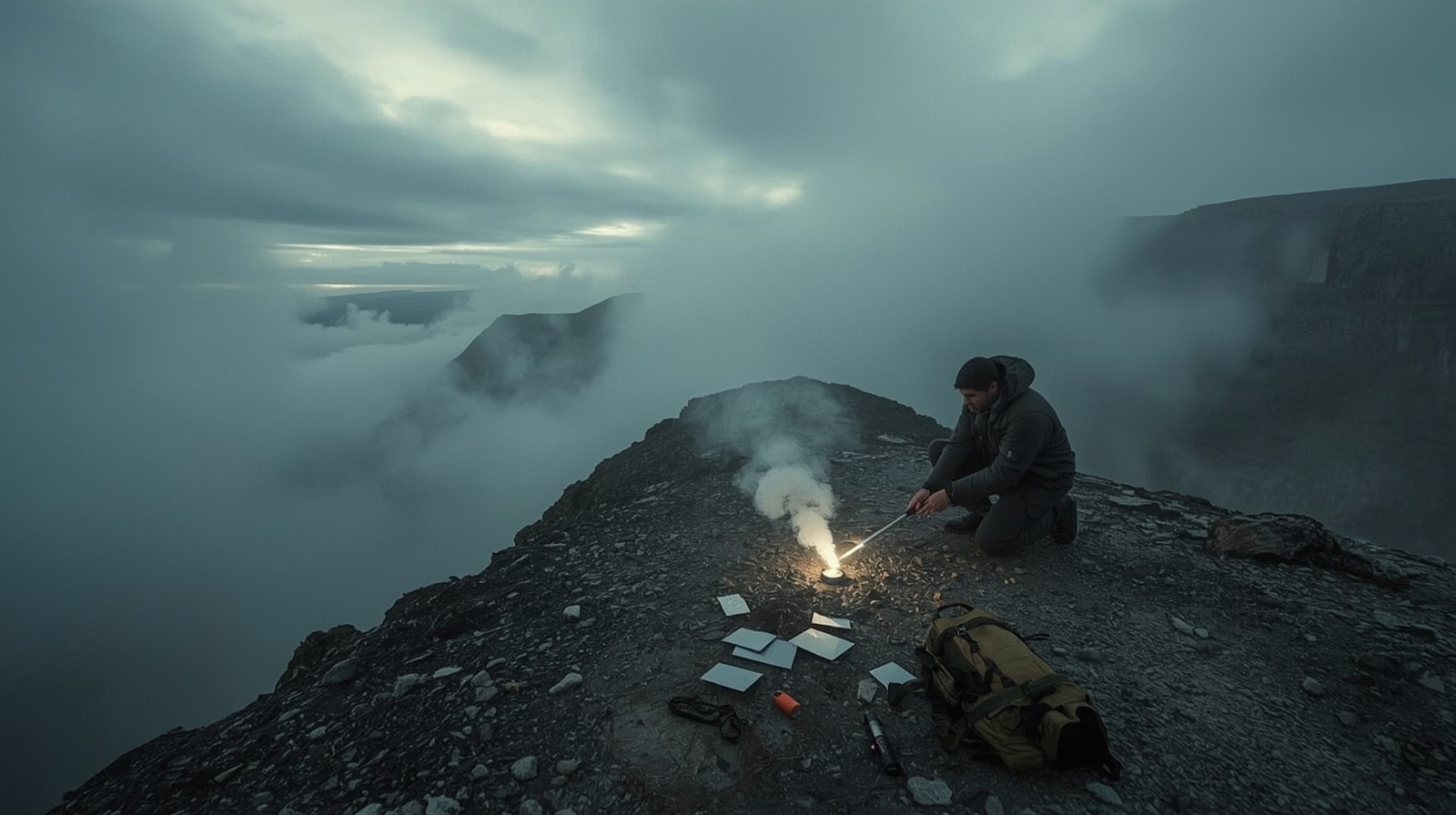
When it comes to signaling for help, using light and reflection can be incredibly effective. This is true during both day and night. Mirrors, especially signaling mirrors, are designed to reflect sunlight over great distances. They can efficiently catch the attention of rescuers. The key to utilizing this method is aiming the reflection towards your target. This can be challenging without practice. Experimenting with angles and understanding how to use the mirror’s aiming mechanism are crucial steps.
Related Articles:
The Role of Smoke and Fire
Smoke and fire are time-tested signaling methods. They can be seen from miles away, making them excellent choices for daytime signaling. To create a large, smoky fire, it’s essential to use materials that produce the most smoke. Examples include green vegetation or rubber. However, consider the safety and environmental implications of starting a large fire, especially in dry conditions.
High-Visibility Items
- Brightly colored fabrics or flags can significantly increase your chances of being spotted.
- These items can be laid out on the ground to form large, noticeable patterns.
- They can also be waved from a high point to attract attention.
The advantage of using such items is their simplicity and the minimal risk involved in their deployment.
Auditory Signaling Methods
The Power of Whistles and Horns
Whistles and air horns are powerful tools for auditory signaling. They are capable of cutting through ambient noise to alert nearby rescuers. Their ability to be heard over long distances and in poor visibility conditions makes them indispensable. Carrying a whistle or horn should be a standard practice for anyone venturing into remote areas.
Using Nature to Amplify Sound
Nature offers its own set of tools for making noise. This includes:
- Clapping rocks together
- Banging sticks on trees
- Using your voice
Creating a noise that sounds unnatural or out of place can attract attention. It’s also beneficial to understand the pattern for signaling distress audibly: three blasts, pauses, and repeat.
Improvised Sound Devices
In situations where you might not have a whistle or horn, improvising a sound-making device can be lifesaving. Options include empty containers, hollowed-out wood, or even metal objects. While these methods may require creativity and effort, they underscore the importance of adaptability in survival situations.
Signaling with Technology
Personal Locator Beacons (PLBs)
In the modern world, technology offers some of the most reliable methods for signaling distress. Personal Locator Beacons (PLBs) are devices designed to send out a distress signal to search and rescue services. When activated, a PLB transmits a signal that can be detected by satellites and relayed to local search and rescue teams. This pinpoints your exact location anywhere in the world.
Satellite Messengers
Similar to PLBs, satellite messengers provide a way to send text messages and emails through satellite networks. These devices can be invaluable for providing detailed information about your situation to rescuers. They also allow for two-way communication, giving you the ability to receive advice and reassurance while help is on the way.
Mobile Phone Applications
Many mobile phone applications are designed to enhance outdoor safety. They use the phone’s built-in GPS to share your location with friends or emergency services. While not as powerful or reliable as PLBs or satellite messengers, these apps can be a useful addition to your signaling toolkit. This is especially true in areas with mobile phone coverage.
As we transition from traditional methods to technology-based solutions, it’s clear that a blend of both offers the best chance for a successful rescue.
Enhancing Visibility in Different Environments
In Dense Forests
Signaling in dense forests requires creativity and an understanding of the environment. Brightly colored items might be less visible due to the thick canopy. Focusing on vertical signals can be more effective. Erecting a high-contrast marker, like a neon fabric on a long pole, can break through the sea of green. Creating noise with a whistle or improvised device complements your visual efforts, as sound travels well in dense vegetation.
On Open Water
Signaling for help on open water presents unique challenges. Visibility against the vast, monochromatic backdrop is a primary concern. Reflective mirrors can be particularly effective under the sun, catching the eye of rescuers from afar. Flares, both handheld and aerial, provide a bright, unmistakable signal that can be seen from great distances. Attaching high-visibility panels to life jackets or rafts increases chances of detection.
In Snowy Terrains
Snowy environments offer a high-contrast background that can make dark-colored signals stand out. Options for signaling include:
- Creating large symbols in the snow using branches or creating trenches
- Using smoke signals, which are highly effective against the white backdrop
Remember, the smoke needs to contrast with the snow, so aim for dark smoke against the bright snow. Mirrors and reflective devices also work well in sunny conditions, with the snow acting as a reflector to increase visibility.
Strategic Placement of Signaling Devices
High Points and Open Areas
Maximizing visibility involves placing your signaling devices in high points or open areas. Whether it’s a mirror signal from a hilltop or a smoke signal in a clearing, understanding the landscape and positioning your signals accordingly can make a significant difference. Always consider the path of rescuers and place signals in locations where they are most likely to be seen.
Creating Patterns and Symbols
When laying out visual signals, creating recognizable patterns or symbols can provide clear communication to rescuers. Options include:
- Laying out the universal SOS signal (··· — ···) with rocks, logs, or any available materials
- Arranging materials in an arrow shape to indicate direction
- Creating a large ‘X’ to signify an emergency
These symbols should be as large and contrasted with the surrounding environment as possible to ensure they’re easily identifiable from above.
Nighttime Strategies
Adapting your strategies for nighttime is crucial. Flares and strobe lights are excellent for drawing attention after dark. Creating a fire in a safe, open area can serve as both a signal and a source of warmth. Reflective materials and items can be strategically placed around your campsite to catch any light from search parties.
Integrating Signaling into Your Survival Plan
Regular Practice and Preparation
The key to effective signaling is regular practice and preparation. Familiarize yourself with the signaling equipment you carry, and practice using it in various conditions. This could mean learning to create a smoky fire quickly, practicing with a signaling mirror, or understanding the best ways to lay out visual signals. Regular drills and mental run-throughs of emergency scenarios can significantly improve your readiness and confidence.
Building a Comprehensive Signaling Kit
Your signaling kit should be versatile, lightweight, and tailored to the environments you’re most likely to encounter. At a minimum, it should include:
- A whistle
- Mirror
- High-visibility items
- Flares or a strobe light for nighttime use
Consider the addition of a PLB or satellite messenger for remote adventures where traditional signaling methods might be insufficient. Always check and maintain your equipment before each trip to ensure its reliability in an emergency.
Learning from Real-life Rescues
Studying real-life rescue stories can provide valuable insights into effective signaling techniques. Many survivors have emphasized the importance of persistence and creativity in signaling efforts. For example, using whatever materials are at hand to create visible or audible signals, or adapting signaling techniques to changing conditions and environments. These stories can inspire new strategies and reinforce the importance of preparation and adaptability.
Troubleshooting Signaling Challenges
Signal Not Noticed
Despite your best efforts, there might be times when your signals go unnoticed. This could be due to a variety of factors such as poor visibility or the rescuer’s attention being focused elsewhere. To mitigate this, ensure your signals are as large and contrasting as possible. If using visual signals, consider the background against which they will be seen. Try to create movement, as it catches the eye more effectively than static signals. For auditory signals, vary the pitch and rhythm to create a pattern that can’t be easily ignored.
Adapting to Weather Conditions
Weather conditions can significantly impact the effectiveness of your signaling techniques. Heavy rain, fog, or strong winds can diminish the visibility of visual signals and muffle auditory ones. In such cases, focus on signals that can penetrate these barriers. Use bright, flashing lights or loud, low-pitched sounds that are less likely to be distorted. Remember, adaptation is key, and sometimes waiting for a break in adverse weather can provide a better window for signaling successfully.
Expert Strategies for Signaling Success
Maximizing Signal Duration
Ensuring your signal lasts as long as possible can be the difference between being rescued and being overlooked. For fires and smoke signals, this means having a substantial supply of fuel ready before ignition to maintain the signal. For electronic devices, it involves managing battery life carefully. Use them sparingly and turn them off when not actively signaling. Conservation strategies like these ensure that when rescuers are nearby, your signals are active and noticeable.
The Psychology of Persistence
Persistence in signaling cannot be overstated. Rescuers may not spot your signals immediately, and it’s easy to feel discouraged. However, many rescues occur because the survivors kept signaling even when hope seemed lost. The key is to maintain a routine of signaling, alternating between methods to conserve resources while ensuring continuous attempts to attract attention. This not only increases your chances of being noticed but also helps keep spirits up by providing a focus and purpose.
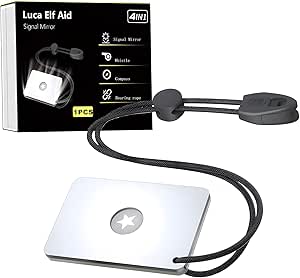
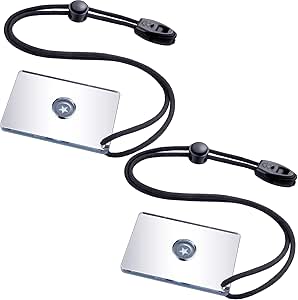
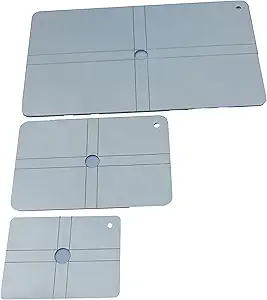
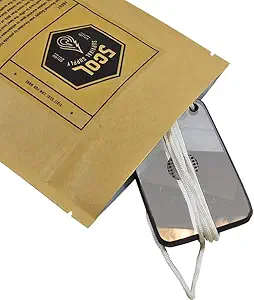
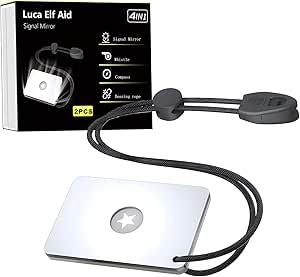
Now that you’ve grasped the essentials of using light and reflection for signaling in emergencies, it’s time to consider the right tools that can make a difference when it matters most. Products like the Signal Mirror Survival Military Grade Emergency Mirror, Outdoor PFD Rescue Signal Mirror and Whistle, and the Jetec 2 Pieces Signal Mirror Survival Reflective Mirror are designed for these very situations. Each has its unique features, from military-grade construction to integrated whistles and compasses, tailored to enhance your chances of being noticed by rescuers.
Comparing these options side by side will help you pinpoint the signaling mirror that best suits your outdoor activities and safety needs. Whether you’re an avid hiker, a sea adventurer, or someone who likes to be prepared
| Feature / Product | Signal Mirror | Jetec Pieces | Best Glide | MIL-M-18371E Emergency | Signal Mirror |
|---|---|---|---|---|---|
 |  |  |  |  | |
| $23.80 | $31.12 | $6.99 | $6.99 | $23.80 | |
| Shop now → | Shop now → | Shop now → | Shop now → | Shop now → | |
| Specifications | |||||
| Brand | Luca Elf Aid | Jetec | Best Glide ASE | 5col Survival Supply | Luca Elf Aid |
| Weight | 1.16 Ounces | 0.08 Kilograms | N/A | 2.72 ounces | 1.16 Ounces |
| Dimensions | 14.5 x 8 x 1.6 cm; 32.89 Grams | 14.5 x 12.1 x 1.4 cm; 82 Grams | 1 x 6 x 9 inches | 7.84 x 4.89 x 0.79 inches | 14.5 x 8 x 1.6 cm; 32.89 Grams |
| Material | Acrylic | Acrylic | Stainless Steel | Glass | Acrylic |