
+1 443-424-5080 support@militarytrained.com

Friction Fire Mastery: Bow Drill and Hand Drill Techniques When You Have No Lighter

Bow Drill vs Hand Drill: What You’re Actually Doing Friction fire isn’t “rubbing sticks together” in the vague, movie sense. You’re trying to create a tiny pile of hot, oxygen-fed wood dust (a coal). That coal reaches ignition temperature and then transfers into a tinder bundle. The bow drill and

Read More

Field Sanitation in the Wilderness: Latrine Placement, Hand Hygiene, and Keeping Camp Disease-Free

How Camp Illness Actually Spreads (and Why “Just Be Careful” Doesn’t Work) The fecal-oral route: the main villain in wilderness camps Most camp sickness comes down to one simple pathway: microscopic bits of human (or animal) waste getting into someone’s mouth. That sounds dramatic, but it happens in everyday ways-unwashed

Read More

Constructing and Using Survival Caches: A Step-by-Step Guide

Defining What Your Survival Cache Needs to Do Start With Your "Likely Scenario" (Not Your Worst-Case Fantasy) A survival cache is just pre-positioned capability. It’s gear you’ve already staged so you don’t have to improvise later. The easiest way to waste money is stocking for a movie-style apocalypse when your

Read More

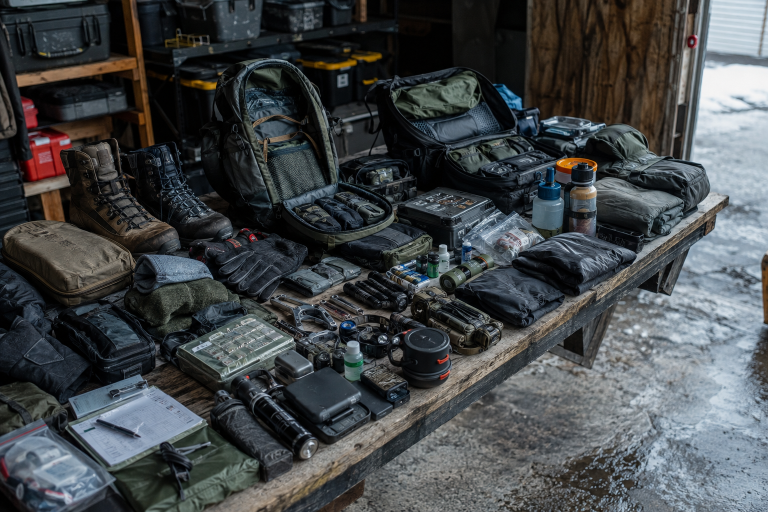
Optimizing Your Loadout: Balancing Weight and Necessity for Extended Missions

Understanding Gear Selection The Basics of Gear Weight When planning for an extended mission, every item's weight in your pack matters. The principle is simple: the heavier your load, the more energy you expend. This can lead to faster fatigue, reduced mobility, and a less enjoyable, potentially more dangerous trip.

Read More

Advanced Animal Tracking for Food and Safety: A Comprehensive Guide

The Foundation of Tracking Understanding Basic Tracks and Signs Tracking animals is an ancient skill that has been refined over millennia. At its core, tracking involves observing and interpreting the signs animals leave behind. This includes: Tracks, which are the footprints left by animals Scat Bedding areas Feeding sites Rubs

Read More

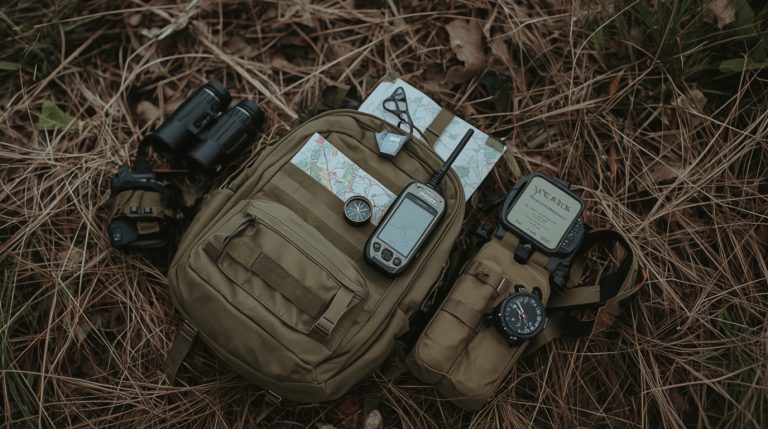
Integrating Modern Tech with Traditional Survival Skills

Embracing Technology in Traditional Survival Skills The Role of Modern Gadgets In the realm of outdoor survival, traditional skills such as fire-starting, shelter-building, and water sourcing are invaluable. However, incorporating modern technology can significantly enhance these practices. For example: GPS devices offer precise navigation that can complement map and compass

Read More

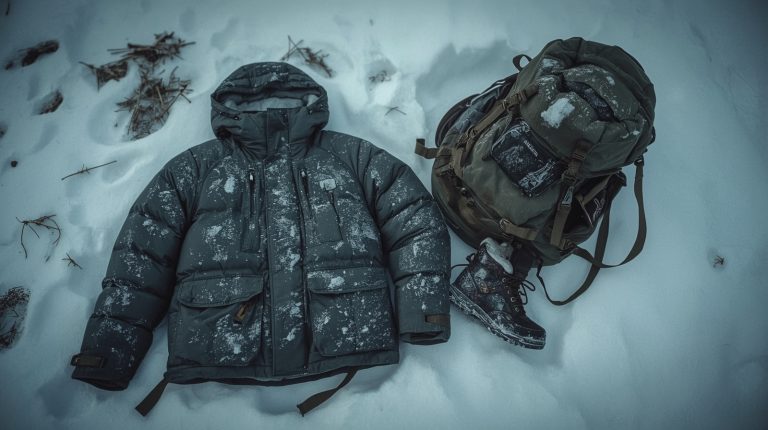
Surviving Extreme Weather: Strategies for Enduring Heatwaves and Cold Snaps

Understanding the Risks of Extreme Weather The Basics of Heatwaves and Cold Snaps Extreme weather doesn't just mean an uncomfortable day outside; it can pose serious health risks. Heatwaves can lead to dehydration, heat exhaustion, and even life-threatening heatstroke. Cold snaps, on the other hand, can cause hypothermia and frostbite,

Read More

Survival Medicine: Handling Illness and Injuries in the Wild

Essential First Aid Knowledge for the Outdoors Understanding Basic First Aid Principles Before embarking on any outdoor adventure, understanding the basics of first aid is crucial. This involves knowing how to assess a situation quickly, provide immediate care for injuries or illnesses, and determine when to evacuate an individual for

Read More

Essential Knots for Tactical and Survival Situations

The Importance of Knot Tying in Survival Situations Why Knots Matter In survival and tactical situations, your ability to tie a proper knot can make a significant difference. Knots serve various purposes, including: Securing shelters Repairing equipment First aid scenarios Understanding the basic principles behind knot tying goes beyond memorizing

Read More

The Comprehensive Guide to Water Sourcing in the Wilderness

Identifying Potential Water Sources Natural Indicators of Water Finding water in the wilderness can be critical for survival. Nature itself hints at where water can be found. Look for: Lush, green vegetation indicating nearby water. Bird flight paths at dawn or dusk, which can lead to water sources. Animal tracks,

Read More