Heat Illness in the Field: Preventing, Recognizing, and Cooling Heat Exhaustion and Heat Stroke When You’re Miles from Help
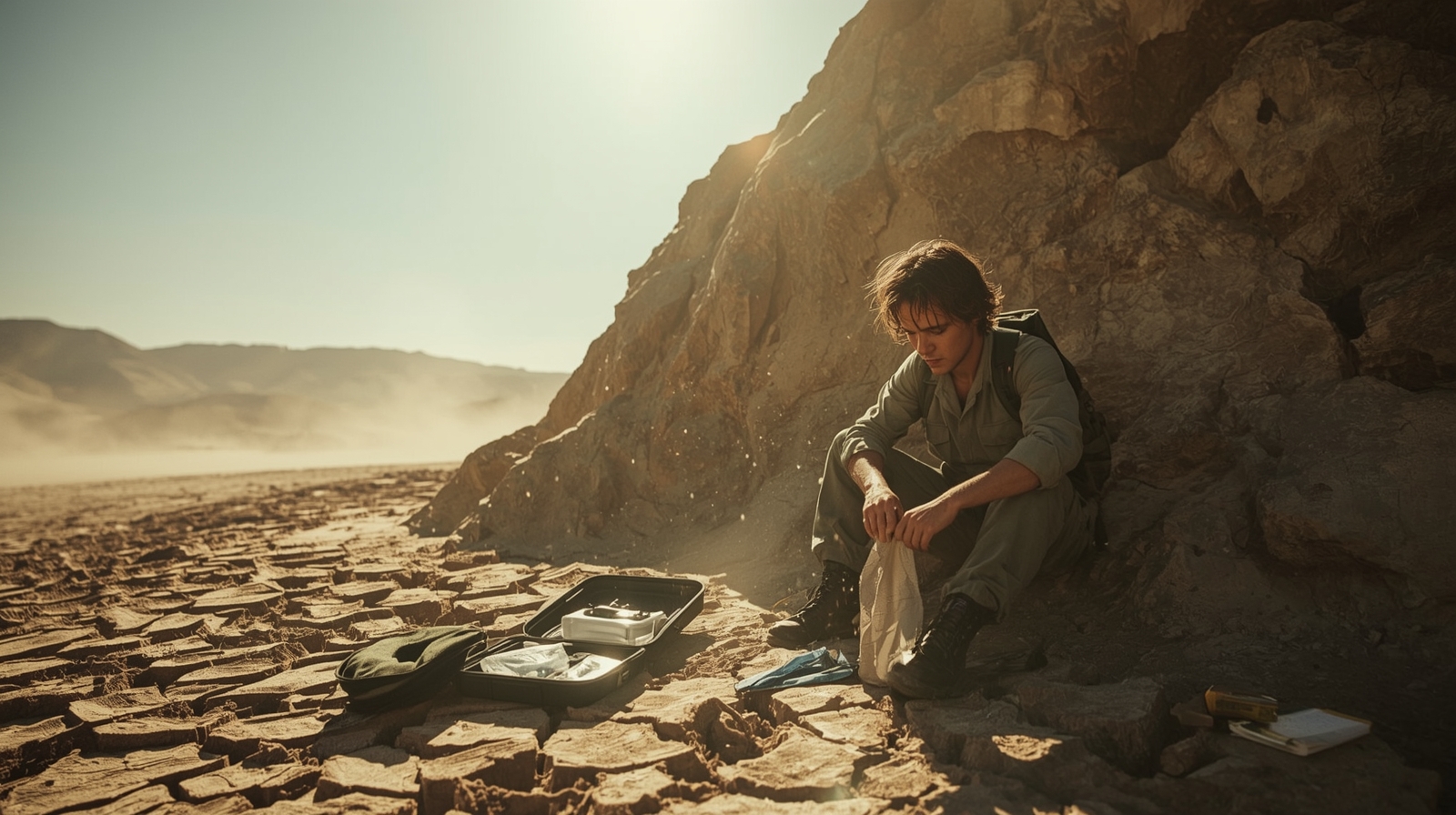
Heat Illness Is a Performance Failure First, a Medical Emergency Second
Heat illness usually starts as a small drop in output: slower pace, more breaks, and sloppy decisions. In the military, we treated that as a warning light, not laziness. If you ignore it, you don’t just risk discomfort. You risk a medical emergency that can become fatal long before you reach a trailhead.
Related Articles:
When you’re miles from help, your priorities change. You can’t rely on rapid EMS response, IV fluids, or a chilled ambulance compartment. You need to prevent heat illness with disciplined habits, recognize it early with simple checks, and know how to cool someone effectively with what’s on hand.
What your body is trying to do in the heat
Your body is always balancing heat production (work) and heat loss (sweating, breathing, and blood flow to the skin). When the environment is hot, humid, or still, your “heat loss” systems get less efficient. Add a pack, a long climb, or a push to make miles, and you start producing more heat than you can dump.
Sweat is the big lever, but sweat only cools you when it evaporates. In high humidity, sweat runs off without providing much cooling. In low humidity, sweat evaporates fast, which cools well, but it also drains fluid and electrolytes quickly.
Either way, if you don’t manage the situation, your core temperature can rise. And once it rises far enough, everything gets harder.
Why heat injuries escalate fast in austere terrain
Heat illness rarely stays stable. It tends to accelerate because the same factors that caused it also reduce your ability to self-correct.
Here’s what that spiral often looks like:
- Dehydration reduces sweating and cooling capacity.
- Fatigue wrecks pacing discipline and decision-making.
- Nausea makes drinking and eating harder.
- Slipping judgment leads to worse clothing choices, fewer breaks, and stubborn “just push to the next point” thinking.
Treat heat illness like a timeline problem. You’re trying to catch it early enough that rest, shade, and smart hydration solve it. If you miss that window and it becomes heat stroke, your focus shifts to aggressive cooling and evacuation.
Heat index and the “looks fine” trap
A common mistake is relying on air temperature alone. Heat index (temperature plus humidity) better reflects how hard it is for your body to cool itself. The National Weather Service heat index guidance is a solid baseline for risk awareness, but field conditions can be worse because you’re carrying load and moving uphill: National Weather Service heat index information.
The trap is that someone can “look okay” right up until they aren’t. Strong, motivated people often push through early symptoms. That’s why you need objective triggers that force a reality check, such as:
- Pace rules (no redlining on climbs)
- Scheduled rest cycles
- Urine color checks
- Buddy questions (simple, repetitive, hard to fake)
Now that you understand why heat illness happens, the next step is identifying what makes you (and your team) more likely to get hit.
Risk Factors That Stack the Deck Against You
Heat illness isn’t random. Certain conditions make it far more likely, and most of them are predictable. If you can identify the “risk stack” early, you can adjust your plan before the situation gets serious.
Environmental and terrain factors that matter more than you think
Direct sun is obvious, but radiant heat from rocks, sand, and canyon walls can be just as punishing. Wind matters because it drives evaporation. Humidity matters because it prevents evaporation. Elevation matters because exertion is higher for the same pace.
Terrain adds hidden costs, too. A steep grade, loose footing, or bushwhacking raises your output and traps heat. Even if the day feels “not that hot,” the workload can still push you into the red.
If you’re planning a route, think in terms of heat traps:
- Exposed ridgelines with no shade
- Dark rock slabs that radiate heat
- Canyons with poor airflow
- Long climbs that force sustained effort
Personal and medical risk factors
Prior heat injury is a major risk factor for another one. Poor sleep and alcohol the night before also increase risk. Certain medications can stack the deck against you as well, including stimulants, antihistamines, some antidepressants, and diuretics.
Body size and fitness do not provide immunity. In fact, fitness can create overconfidence, which leads to pace errors. If you’re traveling with anyone who has cardiac issues, diabetes, or a history of fainting, be conservative.
Practical adjustment: build more rest time into the plan and treat early symptoms as real, not as “complaining.”
Acclimatization: the overlooked force multiplier
Acclimatization is your body adapting to heat over days to weeks: more efficient sweating, better cardiovascular response, and improved tolerance. It’s not a mindset. It’s physiology.
If you’ve been in air conditioning for weeks and suddenly hit a hot trail, you’re essentially “untrained” for heat. Plan shorter days for the first 3-7 days of exposure, then gradually increase workload.
If you can’t acclimatize gradually (work trip, short hunt), you have to compensate with pace discipline, shade discipline, and earlier start times. Prevention becomes your safety margin.
With the risk factors in mind, let’s get practical. You can’t control the weather, but you can control your inputs and your movement plan.
Prevention That Actually Works: Water, Salt, Pace, Shade
In the field, prevention is a routine, not a lecture. The goal is to keep your core temperature from drifting upward hour after hour. You do that by controlling workload, managing hydration and electrolytes, and limiting sun and trapped heat.
Hydration is necessary, but not sufficient
Drinking “a lot of water” is not a plan. Your target is steady input that roughly matches sweat loss without overcorrecting. If you’re sweating heavily for hours, water alone can dilute sodium and contribute to hyponatremia (dangerously low blood sodium).
Use simple field indicators rather than guesswork:
- Urine color: light yellow most of the day (not completely clear, not dark)
- Performance: if you feel persistent “heavy fatigue” and your heart rate is high for an easy pace, you may be behind
- Thirst: treat strong thirst as a late sign, not an early one
If your only water sources are questionable, that becomes a heat problem fast because dehydration compounds everything. Review a dedicated plan for difficult water environments if needed, especially coastal routes: brackish and saltwater survival hydration realities.
Electrolytes: the sodium piece people get wrong
Sweat contains sodium, and heavy sweating can burn through it quickly. If you replace only water, you can feel weak, nauseated, and cramp-prone even while “well hydrated.” That disconnect confuses people, and it leads to bad decisions.
A practical approach is simple:
- Eat salty snacks during sustained sweating
- Use an electrolyte mix if appetite is low or cramps are creeping in
- Avoid megadoses that irritate your stomach
You don’t need to turn this into a chemistry project. Steady, moderate intake works better than occasional “salt bombs.”
Heat discipline: pace, timing, and micro-shade
Start early and plan your hardest movement in the coolest window. Treat midday as a maintenance block: slower pace, longer rests, more shade. Use micro-shade even when you can’t stop for long (tree line, the shadow side of a boulder, or a quick tarp break).
If you’re setting a base or long rest, where you place shelter matters for heat management. Shade, airflow, and ground reflectivity can make a big difference. Use the same decision process you’d use for storm safety, just applied to heat: shelter site selection and camp layout.
Quick prevention box (use this before you step off): – Start earlier than you want to. – Set a pace you can hold without redlining. – Schedule shade breaks before you feel bad. – Eat salty snacks during sustained sweating. – Adjust clothing for ventilation, not style.
Even with good prevention, heat stress can still creep in. The next skill is catching it early, while it’s still fixable.
Recognizing Heat Stress Early: The Signs You Can Still Fix
Early recognition is where you win. If you catch heat stress at the “performance drop” stage, you can usually recover with rest, shade, and smart fluids. If you miss it, you end up treating a medical emergency.
Heat cramps and “pre-cramp” warning signs
Cramps aren’t just painful. They’re a signal that your system is out of balance. They can show up in calves, quads, hamstrings, hands, or abdominal muscles.
Often you’ll feel warning signs before full cramps lock in:
- Twitching
- Tightness
- A “grabbing” sensation during steps or squats
Don’t ignore this and keep pushing. Stop, get into shade, loosen gear, and replace fluids plus sodium. Gentle stretching can help, but aggressive stretching can worsen muscle damage if you’re already overheated.
Heat syncope (fainting) and why it’s not “no big deal”
Heat syncope is fainting or near-fainting, often after standing still or stopping abruptly. Blood pools in the legs, and combined with dehydration and heat stress, the brain gets less blood flow.
People often say, “I just stood up too fast.” Treat it as a serious warning anyway.
Your response should be basic and immediate:
- Move the person to shade
- Lay them down
- Elevate legs
- Start cooling and give sips if they’re fully alert
If they don’t recover quickly, or you see confusion, treat it more aggressively and consider evacuation.
Heat exhaustion: the common tipping point
Heat exhaustion is the stage where you’re still sweating and still conscious, but you’re no longer coping. Expect heavy sweating, weakness, headache, dizziness, nausea, and a general sense of being “wrung out.” The person may be irritable or unusually quiet.
This is the time to stop the mission, even if the map says you’re close. In austere terrain, “close” can still mean hours.
If you treat heat exhaustion early and properly, you often prevent heat stroke. If you treat it casually, you may watch it turn into heat stroke in real time.
That leads to the hard line every backcountry group needs to understand: heat stroke is different, and it demands a different level of urgency.
Heat Stroke: The Red Line You Don’t Argue With
Heat stroke is life-threatening. The biggest field mistake is treating it like “bad heat exhaustion” and hoping it resolves with a little water and a sit-down. In heat stroke, the cooling system is failing and organs are at risk.
Mental status changes are the defining field sign
In the field, the most actionable distinction is mental status. If someone is confused, disoriented, acting drunk, irrational, combative, or unusually clumsy, treat it as heat stroke until proven otherwise. You may also see collapse, seizures, or loss of consciousness.
Sweating can mislead you. Exertional heat stroke victims may still be sweating.
Do not wait for “hot and dry” skin as a requirement. Instead, use this mental trigger: altered behavior + heat exposure + exertion = heat stroke until you rule it out.
Classic vs exertional heat stroke
Classic heat stroke often affects older adults during prolonged heat exposure. Exertional heat stroke hits healthy people doing hard work: climbs with load, fast hiking, rucking, trail running, and fieldwork.
Exertional heat stroke can appear suddenly because workload spikes core temperature fast. A person can be talking normally and then become confused within minutes.
That’s why your plan must include check-ins that detect changes early, even when the person insists they’re fine.
Symptom and action comparison (print this mentally)
Use the table below as a practical divider. It’s not perfect medicine, but it’s solid field decision-making.
| Condition | Common signs | Core danger | Immediate priorities | Evacuation urgency |
|---|---|---|---|---|
| Heat cramps | Painful muscle spasms, heavy sweating | Worsening imbalance and fatigue | Shade, rest, fluids + sodium, gentle stretch | Usually low unless persistent |
| Heat exhaustion | Heavy sweating, headache, nausea, weakness, dizziness | Progression to heat stroke | Stop activity, cool, rehydrate, monitor mental status | Moderate; escalate if not improving |
| Heat stroke | Confusion, collapse, seizures, altered behavior; may or may not sweat | Organ failure risk | Aggressive rapid cooling, call for rescue, prepare evacuation | Immediate, time-critical |
For broader public health definitions and warning signs, the CDC’s extreme heat resources align well with field realities: CDC extreme heat and health.
Once you’ve recognized heat illness, the next step is execution. The first five minutes are where groups either get organized or get behind.
Immediate Field Actions: The First 5 Minutes Set the Outcome
When someone is overheating, hesitation is what turns a manageable problem into an evacuation. Your first steps should be automatic: stop the heat input, start cooling, and decide whether this is exhaustion or stroke.
Stop the heat input and control the scene
Get packs off. Move into shade or create it. Open clothing, loosen waist belts and chest straps, and improve airflow.
If you’re in a group, assign roles immediately:
- One person manages cooling and monitoring
- One person manages navigation, timing, and comms
If you’re moving near cliffs, water edges, or loose terrain, treat this like any other casualty scene. You don’t want a second casualty because someone stumbled while dizzy.
If your route involves unstable ground, keep spacing and footing discipline even during the emergency. The safety principles are the same as on bad scree: moving safely on loose terrain.
Next comes the decision point: are you looking at heat exhaustion that’s improving, or heat stroke that requires aggressive cooling and a rescue plan?