Survival Medicine: Handling Illness and Injuries in the Wild
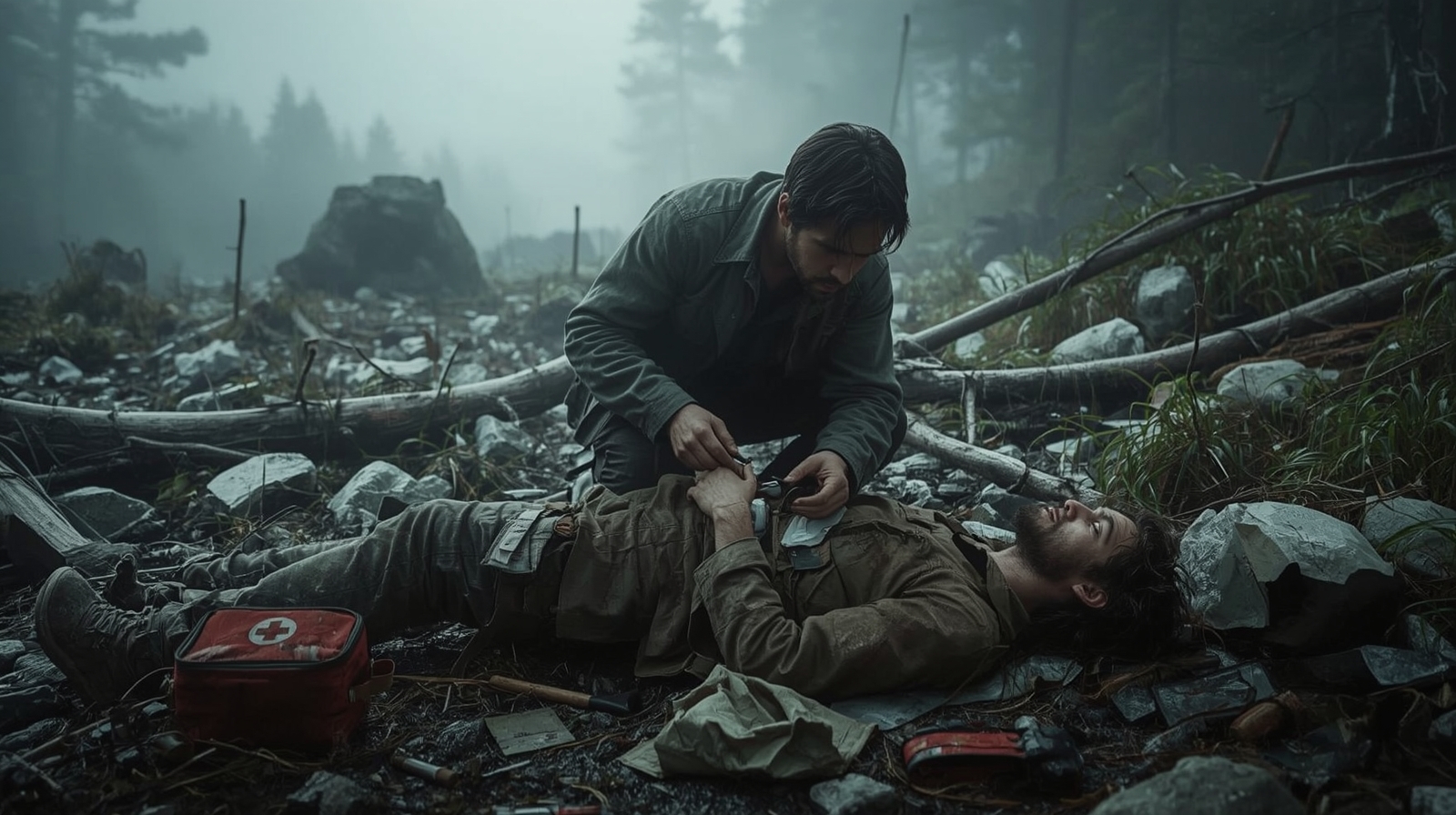
Essential First Aid Knowledge for the Outdoors
Understanding Basic First Aid Principles
Before embarking on any outdoor adventure, understanding the basics of first aid is crucial. This involves knowing how to assess a situation quickly, provide immediate care for injuries or illnesses, and determine when to evacuate an individual for professional medical assistance. The primary goal is to stabilize a patient until they can receive expert care. Key aspects include:
Related Articles:
- Managing bleeding
- Ensuring the airway is clear
- Maintaining breathing
- Preventing shock
A well-stocked first aid kit is your best friend in these situations, containing items such as bandages, antiseptic wipes, and pain relievers. This knowledge can make the difference between a minor mishap and a life-threatening situation.
Common Outdoor Injuries and Illnesses
The wilderness presents a unique set of challenges and potential injuries. These include:
- Cuts, scrapes, and lacerations, often requiring immediate cleaning and dressing to prevent infection
- Sprains and fractures from falls or missteps, necessitating immobilization and sometimes splinting
- Insect bites and stings, along with allergic reactions, ranging from minor irritations to severe anaphylaxis
Understanding how to recognize and treat these conditions is vital for anyone venturing into the great outdoors.
The Role of a First Aid Kit
A comprehensive first aid kit is an essential part of any outdoor gear. It should be tailored to the nature of the trip and the specific needs of the participants. For instance, a kit for a day hike might be more basic than one for a multi-day backcountry excursion. Key components include:
- Various sizes of bandages
- Antiseptic wipes or creams
- Blister prevention and care items
- Medications for pain and allergies
- Tools like tweezers and scissors
Regularly checking and restocking your kit ensures you’re always prepared for any eventuality.
Planning and Preparation Before Your Adventure
Research and Knowledge Acquisition
Before setting out, it’s crucial to research the area you’ll be exploring. This includes understanding the common risks and potential hazards, such as poisonous plants, dangerous wildlife, and weather patterns. Equally important is gaining knowledge of basic survival skills, such as navigation, shelter building, and fire starting. This preparation can significantly reduce the risk of accidents and injuries.
Training and Skills Development
While reading and research are invaluable, nothing beats hands-on training. Courses in wilderness first aid, survival skills, and CPR teach practical skills that can be life-saving in emergency situations. They also offer the opportunity to practice under the guidance of experienced instructors, building confidence and competence.
Mental Preparedness and Stress Management
Handling medical emergencies in the wilderness requires not only physical skills but also mental fortitude. Techniques such as deep breathing, positive visualization, and maintaining a problem-solving attitude can help manage stress levels and keep panic at bay.
Understanding the Importance of Hydration and Nutrition
The Role of Water in Survival
Water is perhaps the most critical resource in any survival situation. Dehydration can lead to a host of problems, including impaired judgment and increased susceptibility to heat-related illnesses. Knowing how to find, purify, and conserve water is a fundamental survival skill.
Nutrition Needs in the Wilderness
Maintaining adequate nutrition is vital for energy and strength. This includes planning and packing sufficient, high-energy foods that have a good balance of carbohydrates, proteins, and fats. Understanding how to ration food for longer trips and knowing edible plants and animals in the area can also be beneficial.
Common Mistakes to Avoid
A common mistake is underestimating the amount of water and food needed, leading to dehydration and malnutrition. Overexertion without adequate hydration or nutrition can quickly turn a manageable situation into a medical emergency. Proper planning and preparation are key to avoiding these pitfalls.
Handling Severe Trauma
Stabilizing Fractures and Sprains
When dealing with fractures or sprains in the wilderness, immobilization is key. For fractures, gently align the limb to its natural position if it’s deformed, but only if you can do so without causing further pain. Then, immobilize the area using splints made from sticks or other rigid materials, padding them with clothing or leaves to prevent skin damage. For sprains, the R.I.C.E method (Rest, Ice, Compression, Elevation) is beneficial, using cold streams or snow-packed in a cloth as a substitute for ice.
Managing Severe Bleeding
Severe bleeding requires immediate action to prevent shock and other complications. Steps include:
- Applying direct pressure to the wound with a clean cloth or bandage
- Considering a pressure bandage or, as a last resort, a tourniquet
Remember, a tourniquet should only be used when absolutely necessary and if you’re trained in its application.
Treating Burns
Burns can occur from campfires, cooking, or sun exposure. Treatment varies by degree:
- First-degree burns: cool water and aloe vera
- Second-degree burns: clean gently, apply antibiotic ointment, and cover with a sterile bandage
- Third-degree burns: require professional medical help immediately; cover the burn with a cool, moist bandage and avoid applying any ointments.
Managing Chronic Conditions in the Wilderness
Diabetes Management
For individuals with diabetes, maintaining blood sugar levels is critical. Always carry a glucose monitor and extra medication or insulin, stored properly. Planning your activities to maintain a stable blood sugar level and having snacks available for energy is essential.
Heart Conditions
For those with heart conditions, carrying necessary medications like beta-blockers, aspirin, or nitroglycerin is crucial. Recognize the symptoms of heart distress and rest frequently, stay hydrated, and avoid exerting yourself beyond what you know is safe.
Asthma and Allergies
Asthma attacks or severe allergic reactions can be life-threatening without proper preparation. Always carry your inhaler, antihistamines, and an epinephrine injector if prescribed. Be aware of your triggers and avoid them as much as possible.
Psychological First Aid
Recognizing and Managing Stress Responses
The mental challenges of surviving in the wilderness can provoke significant stress responses. Techniques such as deep breathing, mindfulness, and positive visualization can help manage these responses. Establishing a routine and setting small, achievable goals can also provide a sense of control and accomplishment.
Supporting Others Emotionally
In a group, the emotional well-being of each member can impact the overall morale and success of the trip. Be supportive, listen actively, and encourage open communication. Sharing feelings and concerns can strengthen group cohesion and resilience in facing challenges together.
Coping with Trauma
If a traumatic event occurs, it’s important to acknowledge the emotional impact it may have. Allow yourself and others to express feelings and seek professional help if necessary upon return. Coping strategies like writing about the experience or talking through it can facilitate emotional recovery.
Advanced Wilderness Medicine Techniques
Handling Animal and Insect Hazards
Encounters with wildlife and insects are inevitable in the wilderness. For snake bites, keep the victim calm, immobilize the bitten limb, and seek medical help as soon as possible. For tick bites, use fine-tipped tweezers to remove the tick as close to the skin’s surface as possible, then clean the bite area and your hands thoroughly. Preventing these encounters by using insect repellent and wearing long sleeves and pants can save a lot of trouble.
Navigating Environmental Challenges
Extreme weather conditions demand specific survival strategies. For heat stroke, move the person to shade, remove excess clothing, and cool them down with water. For hypothermia, warm the core body first. Always dress in layers, stay dry, and keep well-hydrated to mitigate these risks.
Emergency Signaling and Evacuation Techniques
Knowing how to signal for help can make a difference. Use three of anything (sounds, fires, flashes of light) to signal distress. Reflective mirrors, whistles, and brightly colored clothing help attract attention. If moving towards help, leave clear, unmistakable signs of your direction of travel.
Expert Tips for Wilderness Medicine Preparedness
Continuous Education and Practice
The key to effective wilderness medicine lies not just in knowledge, but in the ability to apply it under pressure. Stay updated on the latest guidelines and recommendations from reputable organizations like the Red Cross or wilderness medicine institutes.
Customizing Your First Aid Kit
Tailor your first aid kit to the specific environment you’ll be exploring and the activities you plan to undertake. Include items such as a SAM splint for fractures, a water filter for clean drinking water, and specific medications for personal conditions. Regularly review and replenish your kit to ensure everything is in working order.
Mental Resilience and Team Dynamics
Survival often hinges on psychological resilience as much as physical preparedness. In group settings, clear communication and leadership can help maintain morale and ensure collective decision-making in emergencies. Prepare mentally for the possibility of an emergency and have a clear, agreed-upon plan of action with your team.
Putting It All Together
The Importance of Pre-Trip Planning
Thorough preparation can prevent many emergencies from occurring in the first place. This includes researching your destination, understanding potential hazards, and having a clear communication plan with someone outside of your group. Always inform someone of your itinerary and expected return time.
Next Steps for Aspiring Wilderness Medics
For those looking to deepen their wilderness medicine skills, consider advanced courses such as Wilderness First Responder (WFR) or Wilderness Emergency Medical Technician (EMT). These courses offer in-depth training on handling complex medical scenarios in remote settings. Additionally, volunteering with search and rescue organizations can provide hands-on experience and further develop your skills.