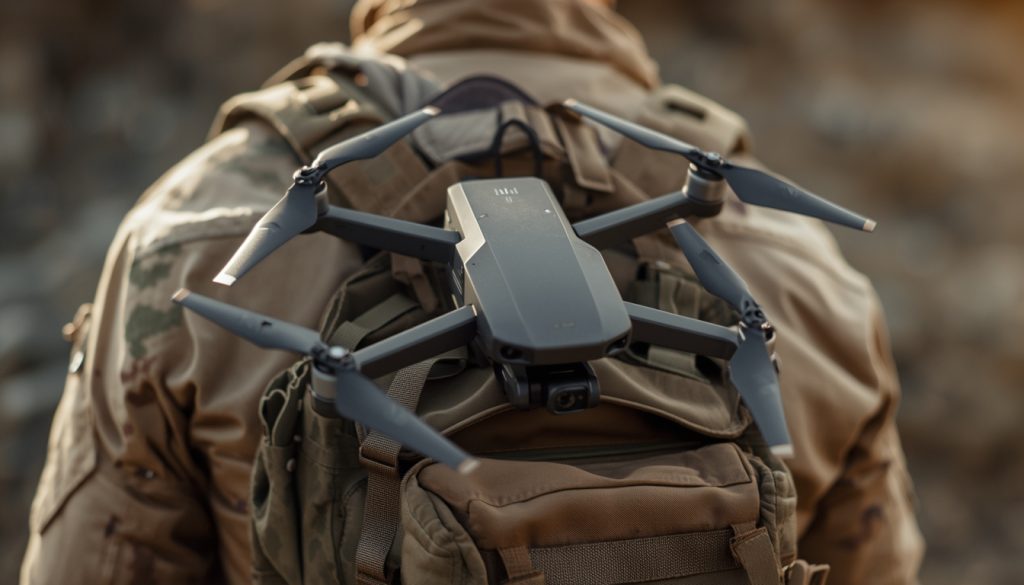
The battlefield has changed faster than the gear on most operators' backs. For decades, tactical backpack design evolved around a fairly stable set of threats: small arms fire, fragmentation, and the physical demands of dismounted movement. MOLLE webbing,...
Read Full Briefing >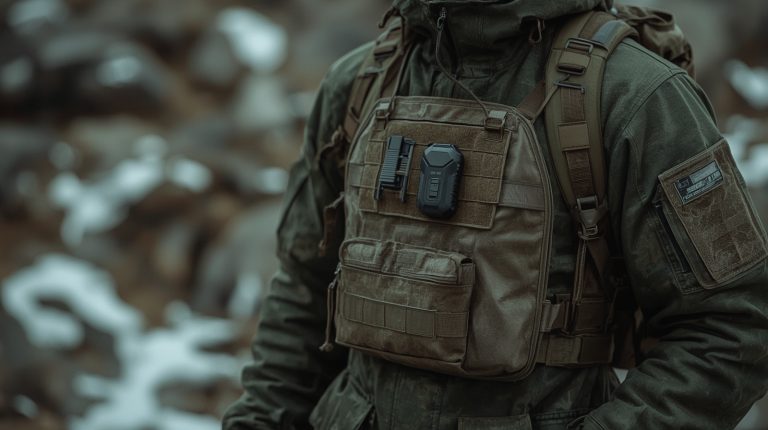
Military uniforms are no longer just fabric and stitching. The tactical jacket sitting on a shelf at your local surplus store is the civilian...
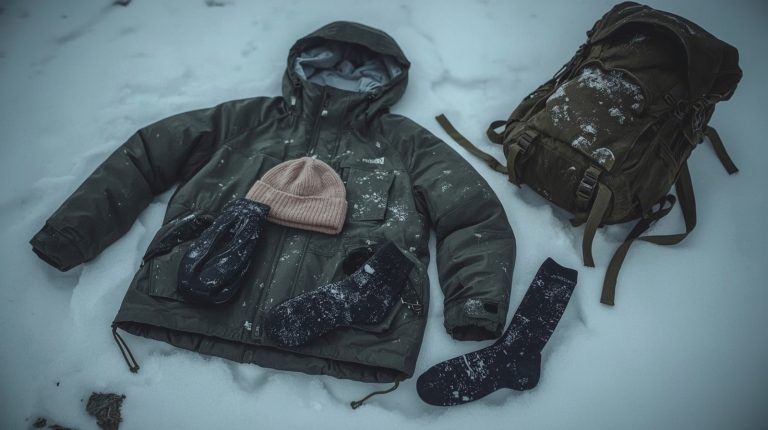
When temperatures drop and the power grid fails, your clothing system stops being a comfort consideration and becomes mission-critical life support. Hypothermia can incapacitate...
.intro-tag { display: inline-block; font-family: 'Share Tech Mono', monospace; font-size: 11px; letter-spacing: 0.14em; text-transform: uppercase; color: #D4880A; border: 1px solid #D4880A; background: #2e1e04; padding:...
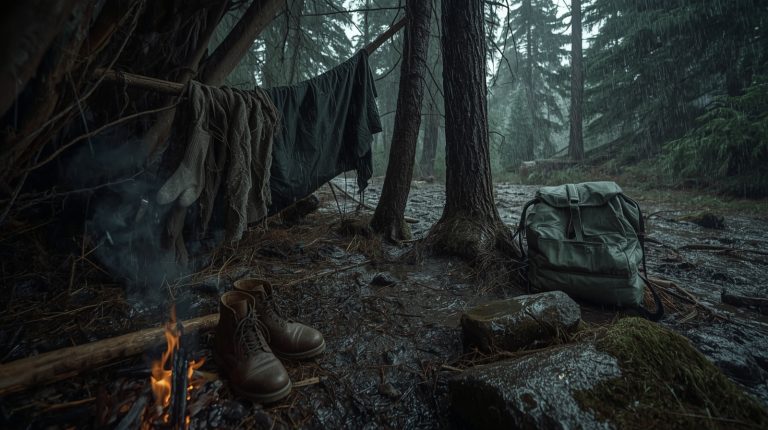
Multi-day rain is rarely a single failure. It’s a slow accumulation of damp layers, collapsing loft, and foot problems that compound until you stop...
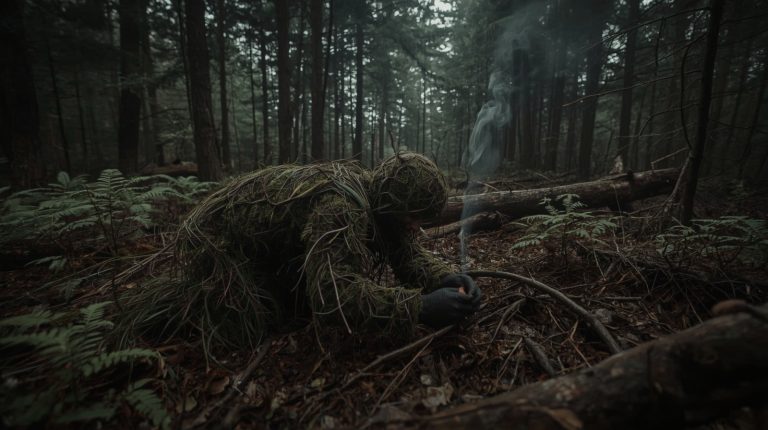
Camouflage in the backcountry is not about looking tactical. It is about controlling what you broadcast: light, shape, movement, sound, track sign, and smoke....
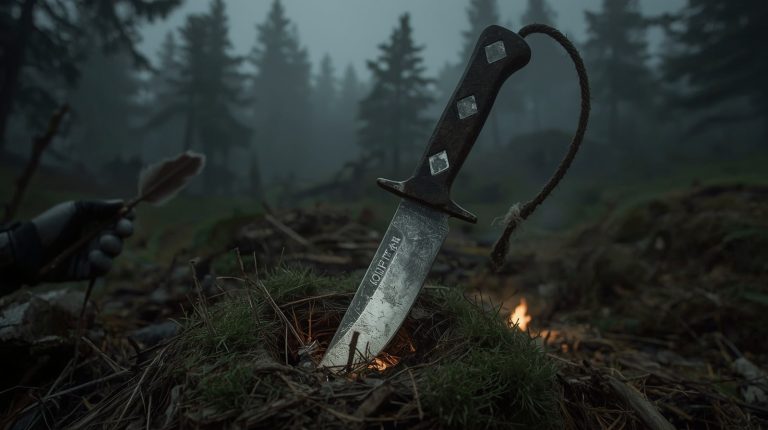
A military-style field guide to survival knife work that prioritizes safety, control, and repeatable technique. Learn baton safe zones, proven grip and stance, notch...
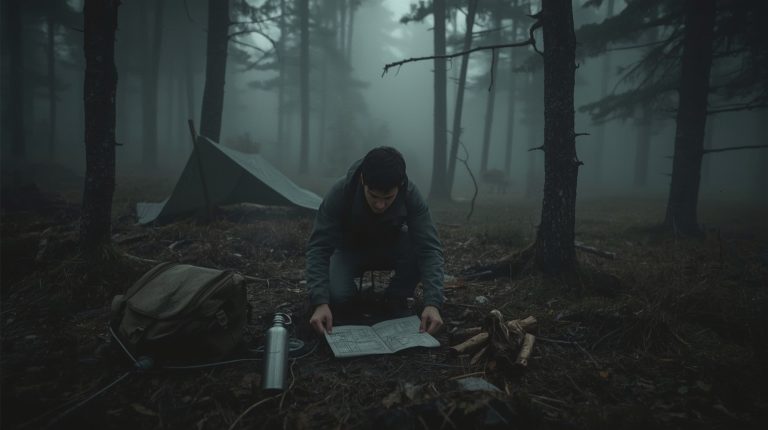
A military-style field guide for civilians who realize they’re lost: what to do in the first 60 minutes, how to stop the spiral, how...
When you don’t have a forecast, your weather plan has to come from observation and disciplined decision-making. This field guide teaches civilians the same...
An axe, hatchet, and folding saw can turn deadfall into heat, shelter materials, and cooking fuel-but they can also put you out of the...