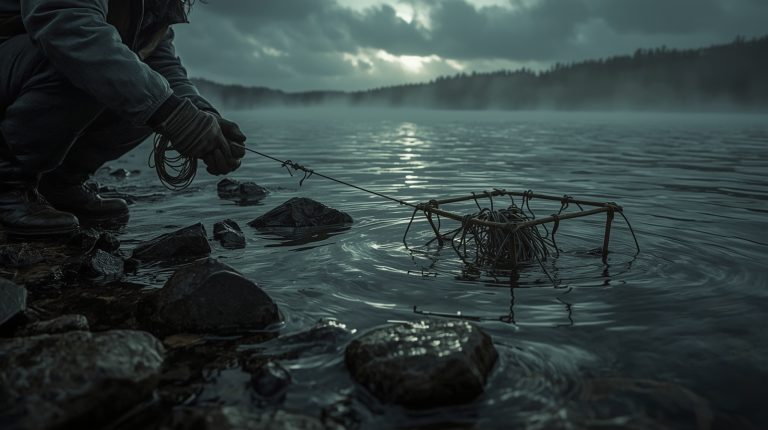
Deciding Whether a Raft Crossing Is the Right Call Reading the River Before You Touch the Water Before you start gathering materials, decide if you should be crossing at all. Moving water is deceptive: a river that looks “knee deep” can still knock you down if the bottom is slick
Read More
How Thermal, IR, and Visible Detection Actually Work You don’t need to be doing anything “tactical” to benefit from night-discipline fundamentals. If you’ve ever felt exposed at a campsite, watched your headlamp light up a whole tree line, or noticed how a warm body pops on a thermal image, you
Read More
When You Should (and Shouldn’t) Move a Casualty You’ve probably heard the phrase, “Don’t move them-you’ll make it worse.” In remote terrain, that advice is only half true. Sometimes staying put is safest. Other times, not moving is what actually kills people (think rockfall exposure, an avalanche path, rising water,
Read More
Core Principles of Wildlife Encounter Protocols Safety starts before “fight or flight” kicks in When people talk about wildlife defense, they often jump straight to tools-spray, firearms, noise makers. A better approach is a protocol: a repeatable sequence you can run under stress. In most encounters, your goal is to
Read More
Build a Repair Mindset Before You Touch Anything When something breaks in the backcountry, your first job isn’t “fix it fast.” Your first job is to stop the damage from spreading. That means you pause, unload stress from the broken part (take the pack off, unlace the boot, lower tent
Read More
Bow Drill vs Hand Drill: What You’re Actually Doing Friction fire isn’t “rubbing sticks together” in the vague, movie sense. You’re trying to create a tiny pile of hot, oxygen-fed wood dust (a coal). That coal reaches ignition temperature and then transfers into a tinder bundle. The bow drill and
Read More
How Camp Illness Actually Spreads (and Why “Just Be Careful” Doesn’t Work) The fecal-oral route: the main villain in wilderness camps Most camp sickness comes down to one simple pathway: microscopic bits of human (or animal) waste getting into someone’s mouth. That sounds dramatic, but it happens in everyday ways-unwashed
Read More
Defining What Your Survival Cache Needs to Do Start With Your "Likely Scenario" (Not Your Worst-Case Fantasy) A survival cache is just pre-positioned capability. It’s gear you’ve already staged so you don’t have to improvise later. The easiest way to waste money is stocking for a movie-style apocalypse when your
Read More
Understanding Gear Selection The Basics of Gear Weight When planning for an extended mission, every item's weight in your pack matters. The principle is simple: the heavier your load, the more energy you expend. This can lead to faster fatigue, reduced mobility, and a less enjoyable, potentially more dangerous trip.
Read MoreThe Foundation of Tracking Understanding Basic Tracks and Signs Tracking animals is an ancient skill that has been refined over millennia. At its core, tracking involves observing and interpreting the signs animals leave behind. This includes: Tracks, which are the footprints left by animals Scat Bedding areas Feeding sites Rubs
Read More