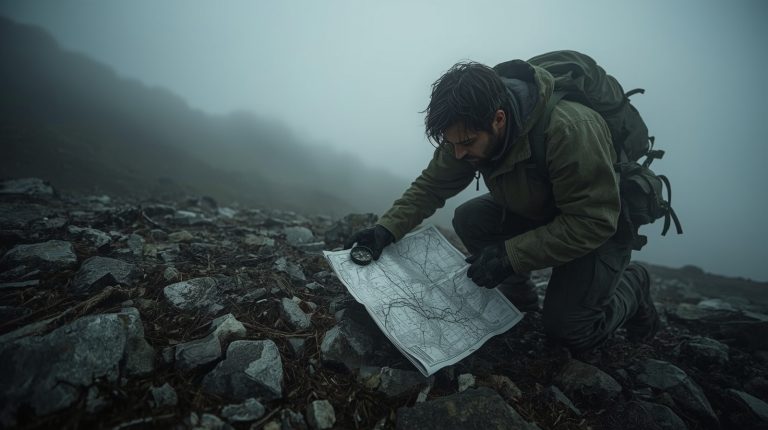
Map-and-compass navigation isn’t a nostalgic skill; it’s a system for staying found when batteries die, trails vanish, and weather shuts down visibility. This article...
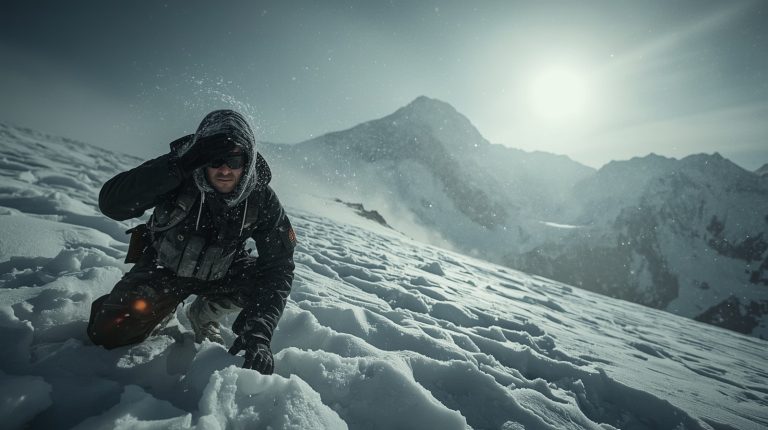
Eye injuries in the backcountry rarely start dramatic. More often, it’s a slow-burn problem: a windy ridge line throwing grit under your eyelid, a...
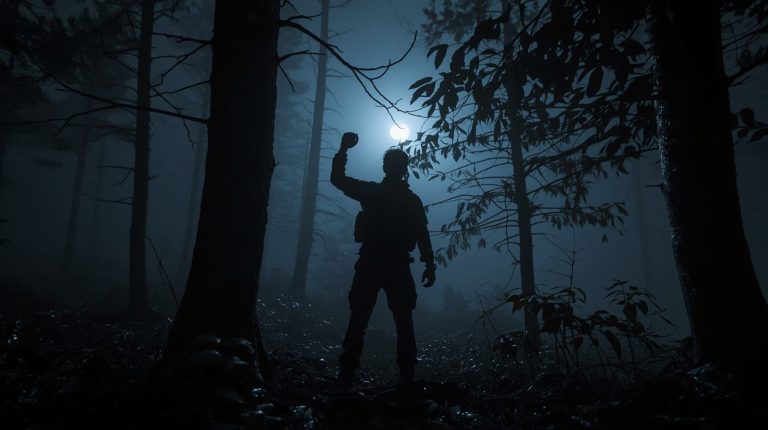
Silent movement is rarely about being “quiet” in the casual sense. It is about controlling information: what your team gives off, what you detect,...
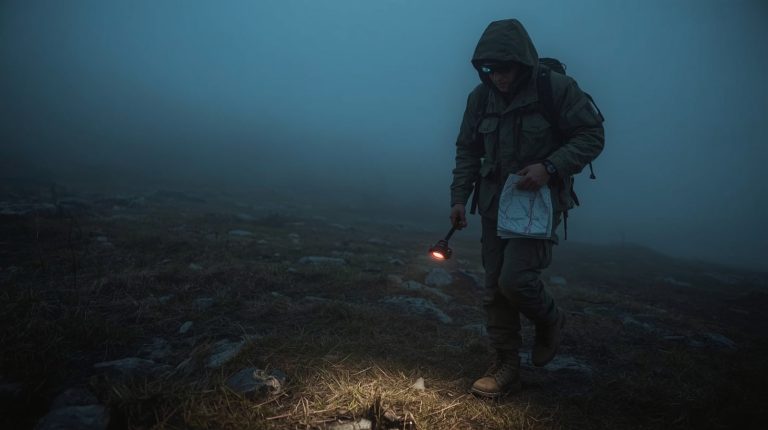
When visibility collapses and familiar landmarks disappear, your navigation has to come from a system you carry inside your head and body. Pace count...
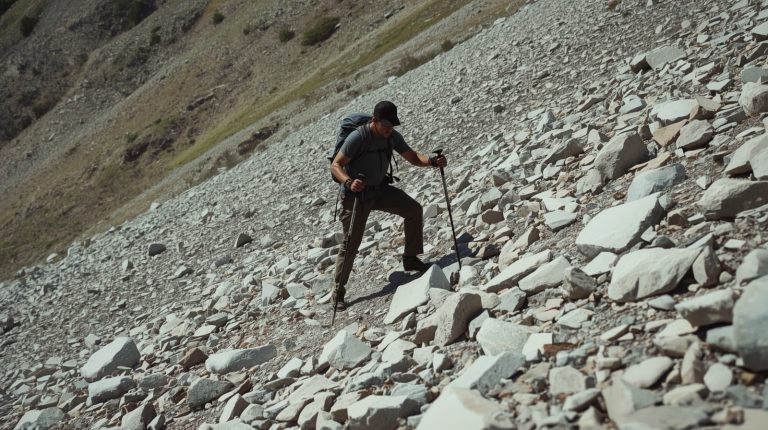
Steep, loose, and unstable terrain is where normal hiking habits stop working. A trekking pole isn’t just a comfort item on these slopes; it’s...
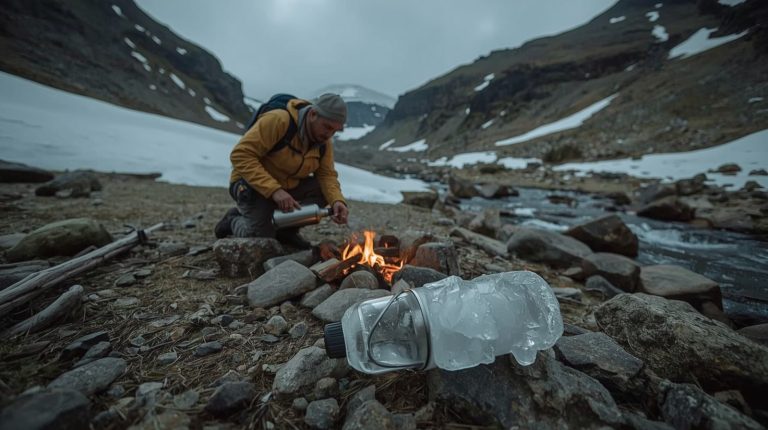
Backcountry water treatment usually fails in predictable ways: your filter freezes overnight, it clogs on silty sources, or you realize too late that “filters...
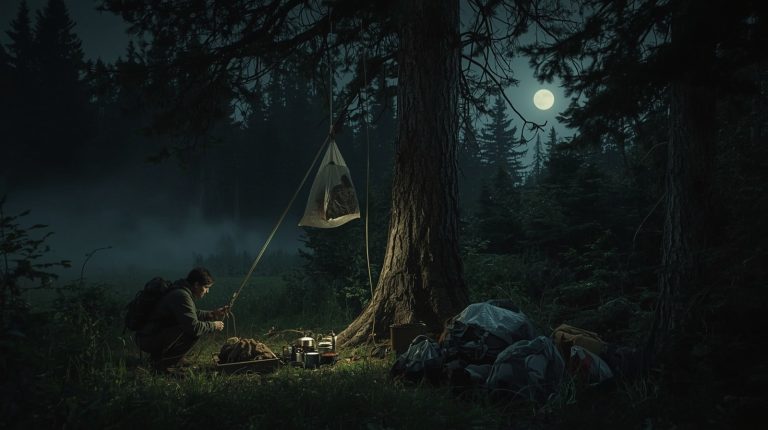
Bears don’t “visit camp” by accident. They follow calories, and your food-handling routine is either teaching them to stay wild or conditioning them to...
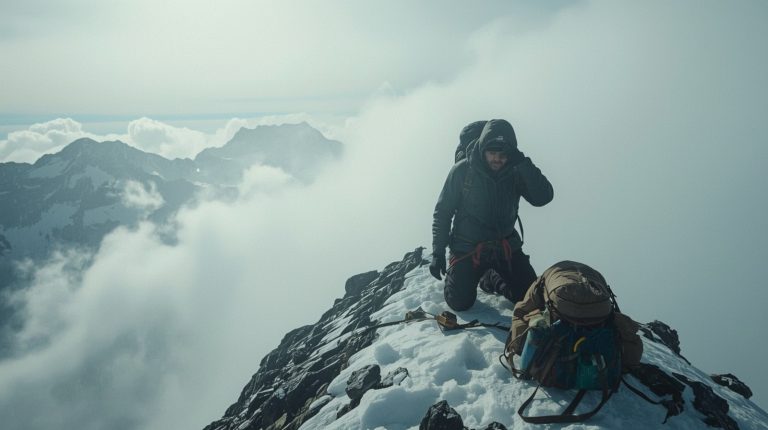
Altitude sickness is one of the most predictable backcountry problems, yet it still catches strong hikers because the timeline is unforgiving and the symptoms...
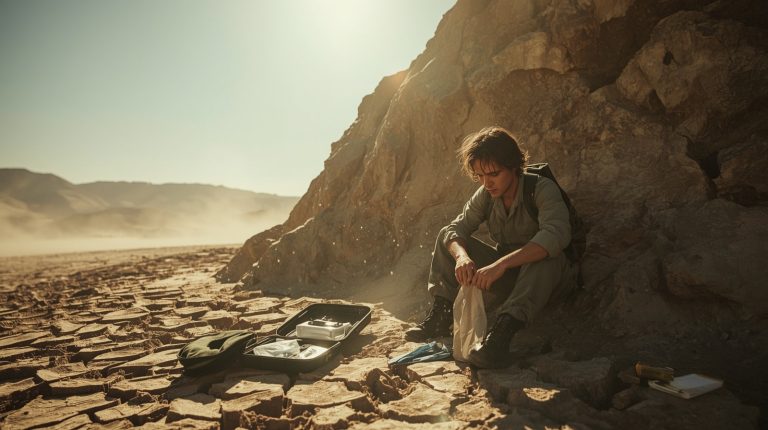
Heat illness is one of the fastest ways to turn a normal hike, hunt, or backcountry job into an evacuation. The problem is rarely...