+1 443-424-5080 support@militarytrained.com

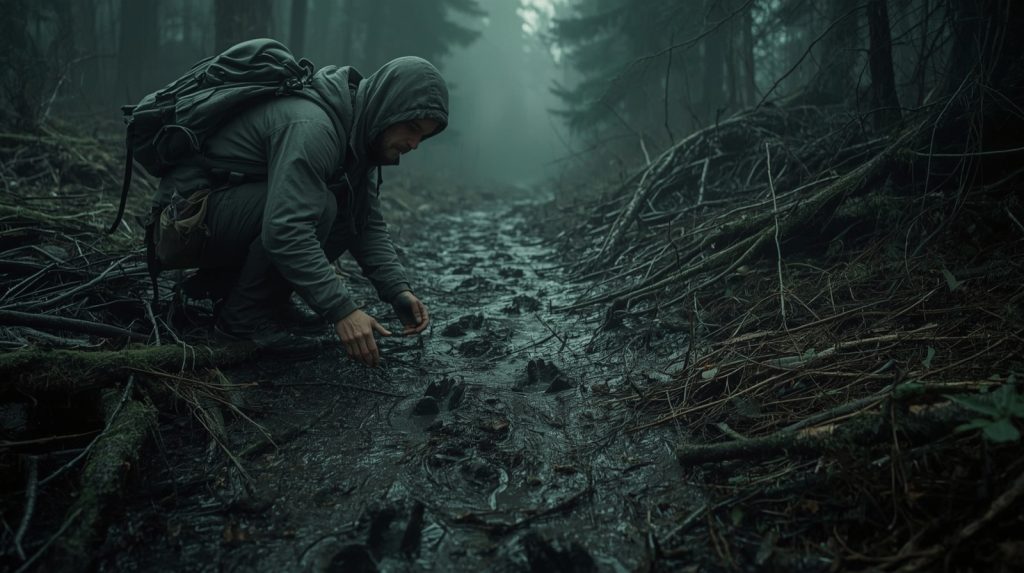
Advanced Animal Tracking for Food and Safety: A Comprehensive Guide

The Foundation of Tracking Understanding Basic Tracks and Signs Tracking animals is an ancient skill that has been refined over millennia. At its core, tracking involves observing and interpreting the signs animals leave behind. This includes: Related Articles: The Comprehensive Guide to Water Sourcing in the Wilderness Advanced Guide to

Read More

Integrating Modern Tech with Traditional Survival Skills

Embracing Technology in Traditional Survival Skills The Role of Modern Gadgets In the realm of outdoor survival, traditional skills such as fire-starting, shelter-building, and water sourcing are invaluable. However, incorporating modern technology can significantly enhance these practices. For example: Related Articles: Food Preservation Without Modern Gear: Smoking, Drying, and Rendering

Read More

Survival Medicine: Handling Illness and Injuries in the Wild

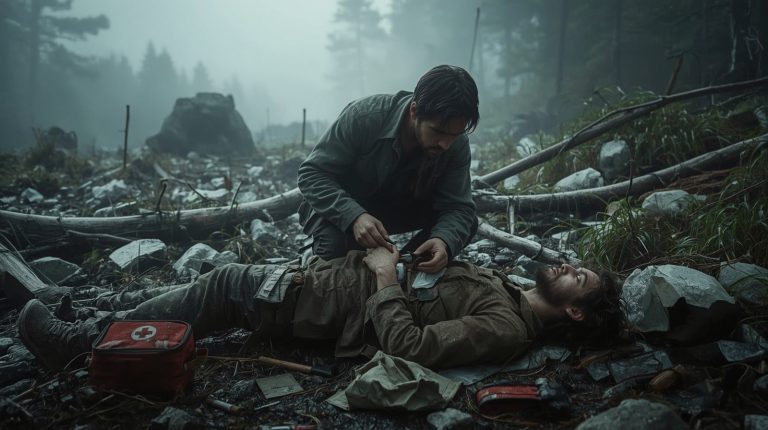
Essential First Aid Knowledge for the Outdoors Understanding Basic First Aid Principles Before embarking on any outdoor adventure, understanding the basics of first aid is crucial. This involves knowing how to assess a situation quickly, provide immediate care for injuries or illnesses, and determine when to evacuate an individual for

Read More

The Comprehensive Guide to Water Sourcing in the Wilderness

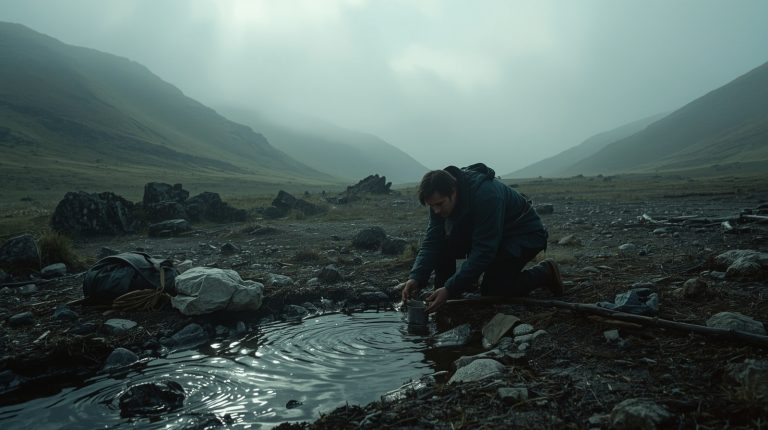
Identifying Potential Water Sources Natural Indicators of Water Finding water in the wilderness can be critical for survival. Nature itself hints at where water can be found. Look for: Related Articles: Ultimate Guide to Water Purification Techniques for Wilderness Survival Wilderness Water Storage and Transport: Keeping Water Clean, Preventing Freezing,

Read More

Preparing a Tactical First Aid Kit: Essentials and Customizations

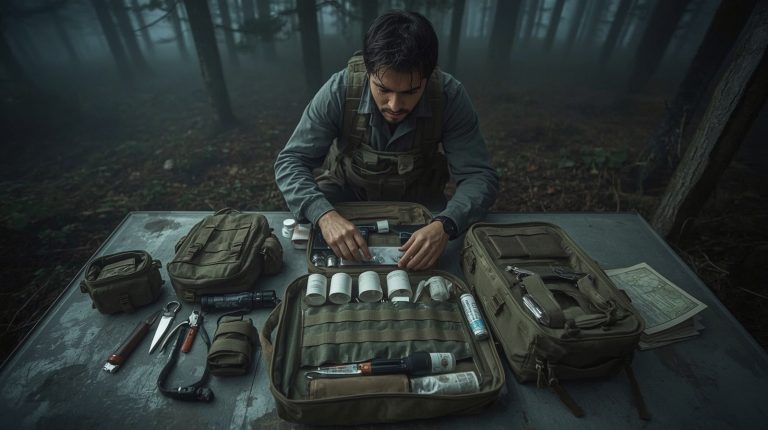
The Foundation of Your Tactical First Aid Kit Essential Items for Every Kit Every tactical first aid kit should start with the basics. These items address common injuries and situations you might encounter in the field: Related Articles: Tactical First-Aid Skills Every Outdoor Enthusiast Should Know Essential Knots for Tactical

Read More

Long-term Survival Shelter: Designing and Building for Durability and Safety

Choosing the Right Location Importance of Location Selection Selecting the right location is the first critical step in building a long-term survival shelter. The ideal spot should offer: Related Articles: Building a Temporary Shelter: Step-by-Step Survival Guide Primitive Trapping Systems for Survival: Deadfalls, Snares, and Placement Strategy (With Safety and

Read More

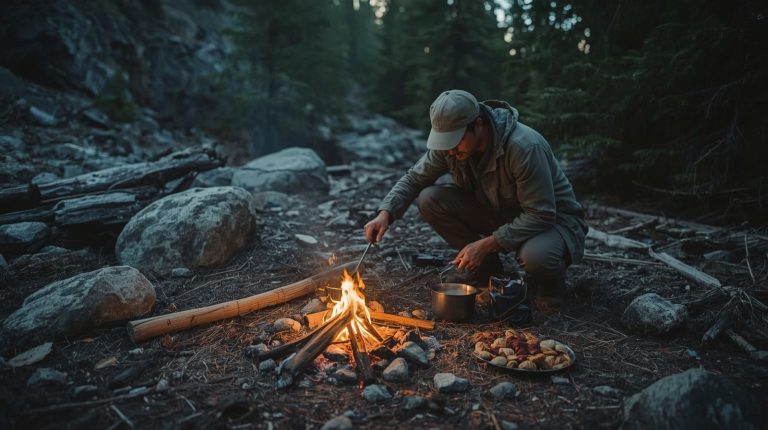
Survival Nutrition: Planning and Preparing High-Energy Meals with Limited Resources

Understanding Survival Nutrition The Basics of High-Energy Foods High-energy foods are the cornerstone of survival nutrition. They're packed with calories and nutrients to fuel your body in demanding situations. Consider foods like: Related Articles: Urban Survival Skills for Apartment Dwellers: Practical Preparedness Tips for Those with Limited Space and Resources

Read More

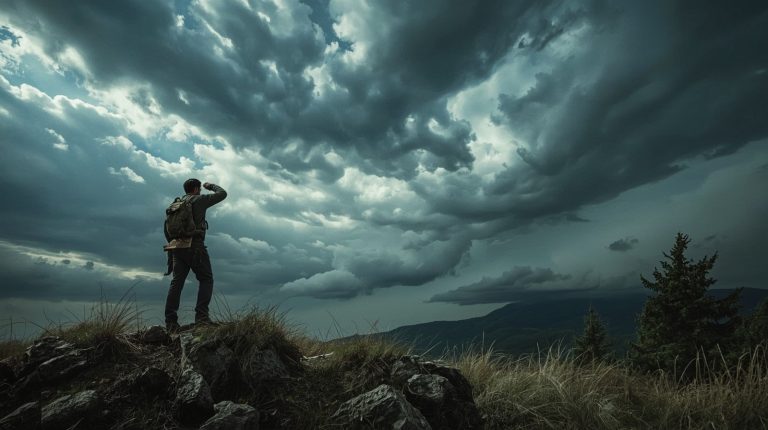
Deciphering Nature’s Signals: Advanced Weather Forecasting Techniques for Outdoor Survival

The Foundations of Weather Prediction Reading the Sky: Cloud Types and What They Signify Clouds are the earth's way of painting its mood across the sky. Understanding their patterns and types can give you a head start in predicting the weather. Cumulus clouds, fluffy and white, usually indicate fair weather

Read More

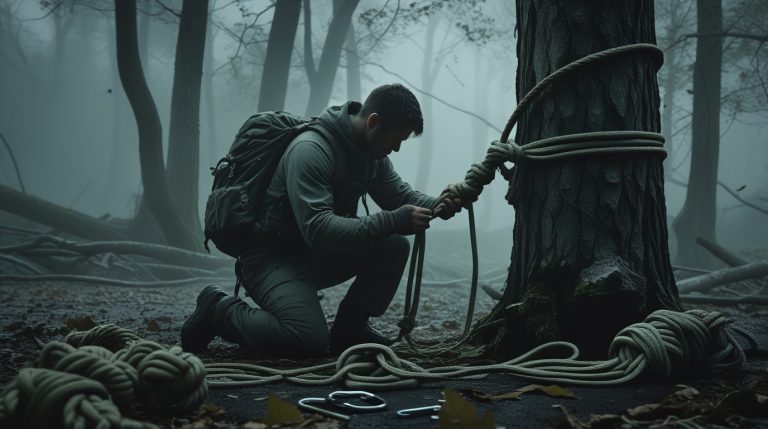
Mastering Knot Tying: A Survivalist’s Guide to Navigating the Ropes

The Importance of Knot Tying in Survival Situations Why Knots Matter In survival and tactical scenarios, the ability to tie a secure knot is as crucial as finding water or making fire. Knots are the unsung heroes of the wilderness, enabling you to: Related Articles: Navigating Natural Disasters: A Survivalist’s

Read More

Mastering the Art of Camouflage: Expert Strategies for Blending into Any Environment

The Principles of Natural Camouflage Understanding Color and Pattern Color and pattern are the cornerstones of effective camouflage. The goal is to mimic the colors and patterns found in your environment. For instance, in a forest setting, utilizing greens, browns, and blacks can help you blend with trees and shadows.

Read More